
Pillars of Effective Teletherapy in Schools: Ensuring Student Mental Health Support in the Digital Age
Teletherapy in Schools is here. A real game-changer for schools facing therapist shortages and access issues. It lets students get mental health care right where…
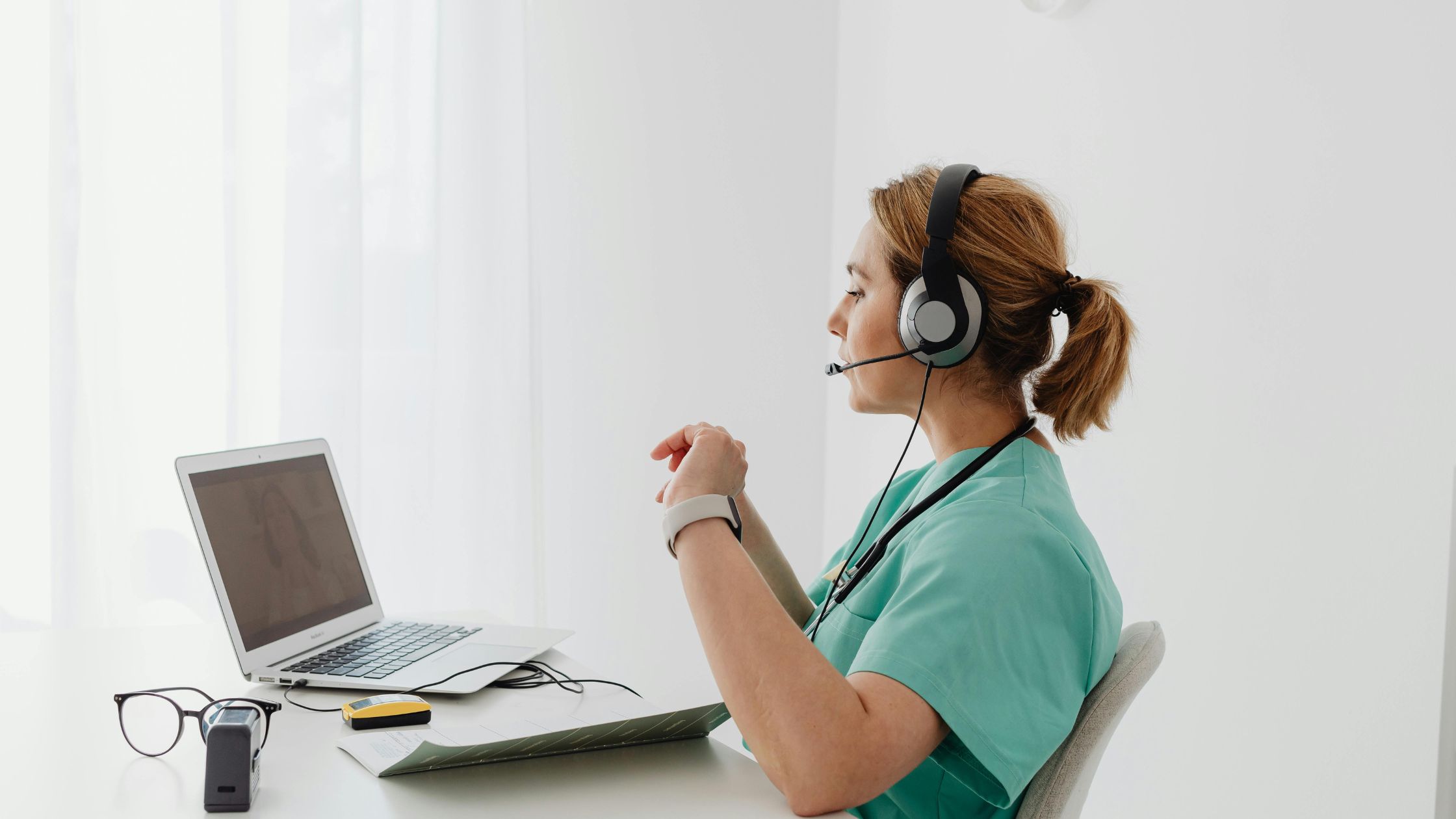
Teletherapy in Schools is here. A real game-changer for schools facing therapist shortages and access issues. It lets students get mental health care right where they spend most of their time – at school. This online approach connects therapists with students through computers or tablets, breaking down barriers to care.
To make school teletherapy work well, you need four key things in place: the right technology, trained staff, student engagement strategies, and family support. These pillars form the foundation of an effective program that can help more kids get the care they need.
Setting up teletherapy in schools takes planning, but it’s worth it. You can reach students who might otherwise miss out on important mental health services. With the right setup, teletherapy can be just as helpful as in-person care for many students.
Defining Effective Teletherapy in Schools
Teletherapy in schools uses technology to provide mental health and special education services remotely. It connects students with therapists through video calls, online tools, and digital resources.
Effective teletherapy in education has key features:
- Reliable technology and internet connections
- Secure platforms that protect student privacy
- Trained therapists experienced in online delivery
- Engaging digital materials and activities
- Regular communication with teachers and parents
To work well, teletherapy must fit into the school day smoothly. Sessions should be scheduled at convenient times that don’t disrupt learning.
You’ll know teletherapy is effective when:
• Students make progress on their goals * Teachers see positive changes in the classroom * Parents report improvements at home * Therapists can assess and track skills accurately
Teletherapy expands access to specialized services. It helps schools support more students, especially in rural or underserved areas.
The best teletherapy programs are flexible. They adapt to each student’s needs and learning style. This personalized approach leads to better outcomes.

Technological Framework for Teletherapy in schools
A strong tech setup is key for good teletherapy in schools. You need the right tools and systems to connect students with therapists online.
Reliable Teletherapy Platforms
Choose a platform made for online therapy. Look for ones that work well on different devices like computers, tablets, and phones. Pick a platform that’s easy for students and therapists to use.
Good options include Zoom for Healthcare, Doxy.me, and VSee. These have features like video calls, chat, and file sharing.
Make sure the platform can handle many users at once. It should work smoothly even when internet speeds are slow.
Test the platform before using it with students. This helps catch any problems early.
Essential Tools and Features
Your teletherapy setup needs some key tools:
- High-quality video and audio
- Screen sharing
- Virtual whiteboards
- File sharing
- Breakout rooms for group sessions
- Recording options (if allowed)
- Chat features
Look for platforms with built-in therapy tools. These might include:
- Interactive games
- Worksheets and activities
- Progress tracking
- Goal setting features
Pick tools that fit the age and needs of your students. Younger kids may need more interactive options. Older students might want more text-based tools.
Supporting Hardware and Software
Get the right gear for clear communication:
- Webcams with good video quality
- Headsets with noise-canceling mics
- Tablets or laptops for students who need them
Install any needed software on school devices. This might include:
- Video conferencing apps
- Screen recording tools
- Digital whiteboards
- Therapy-specific software
Make sure all devices have up-to-date antivirus protection. Set up firewalls to keep the network safe.
Train staff and students on how to use the hardware and software. Offer tech support to fix any issues quickly.
Security and Data Privacy
Protect student info and follow privacy laws. Use platforms that are HIPAA compliant if needed.
Set up secure login methods. This might include:
- Two-factor authentication
- Strong password rules
- Automatic logout after inactivity
Encrypt all data shared during sessions. This keeps info safe if someone tries to hack in.
Create clear rules for data storage and sharing. Tell parents and students how their info will be used and protected.
Train staff on privacy best practices. This helps prevent data breaches and keeps student info safe.
Legal and Ethical Considerations for teletherapy in schools
School teletherapy programs must navigate important legal and ethical issues. Clear policies help protect students, therapists, and schools while ensuring quality care.
Understanding the Law and Regulations
You need to know the laws governing teletherapy in schools. State licensing boards set rules for providing mental health services remotely. Check if your state allows school-based teletherapy.
Federal laws like HIPAA and FERPA also apply. HIPAA protects patient privacy. FERPA safeguards student records. Make sure your teletherapy platform is HIPAA-compliant.
Some states require parental consent for teletherapy. Others mandate in-person evaluations first. Stay up-to-date on changing laws in your area.
Confidentiality and Informed Consent
Protect student privacy during teletherapy sessions. Use secure video platforms and private spaces. Train staff on confidentiality rules.
Get informed consent before starting teletherapy. Explain the process, benefits, and risks to students and parents. Cover topics like:
- How sessions will work
- Technology needed
- Privacy measures
- Limits of confidentiality
Let families know they can stop teletherapy anytime. Document their consent in writing.
Mandatory Reporting Requirements
You must follow mandatory reporting laws for suspected abuse or neglect. These laws still apply in teletherapy.
Learn the signs of abuse you might spot on video. Have a clear process to report concerns. Know when to involve school administrators or child protective services.
Tell students and families about mandatory reporting at the start. Explain you’ll break confidentiality if you suspect abuse.
Keep detailed notes on any concerns or reports you make. Follow up as needed to ensure student safety.
Preparation for Teletherapy in schools Sessions
Getting ready for teletherapy sessions in schools takes careful planning. You need to set goals, prepare students and families, and make sure therapists have the right skills.
Setting Therapeutic Goals
Start by figuring out what you want to achieve. Look at each student’s needs and set clear, specific goals. These could be things like improving social skills or managing anxiety.
Make sure the goals are realistic for online therapy. Some goals may need to be adjusted for the virtual format.
Work with teachers and parents to align goals with classroom and home needs. This team approach helps make therapy more effective.
Review and update goals regularly. Be ready to change them as the student makes progress or faces new challenges.
Preparing Students and Families
Tell students and families what to expect from teletherapy. Explain how online sessions work and what tools you’ll use.
Give them a list of things they need, like a quiet space and a device with internet. Help them test their technology before the first session.
Teach students and parents basic troubleshooting steps. This can help prevent technical issues from disrupting therapy.
Set ground rules for sessions, like being on time and staying focused. Make sure everyone knows how to contact you if there’s a problem.
Therapist Training and Skills Development
Train therapists on how to use teletherapy platforms. They should be comfortable with video calls, screen sharing, and online tools.
Teach them how to build rapport with students through a screen. This might include using more expressive body language or voice tone.
Practice handling common technical issues. Therapists should know what to do if a student’s video freezes or the audio cuts out.
Offer training on privacy and security in teletherapy. Make sure therapists know how to keep sessions and student data safe online.
Keep up with new teletherapy techniques and tools. Encourage therapists to share what works well with their colleagues.
Techniques and Methods for Teletherapy in schools
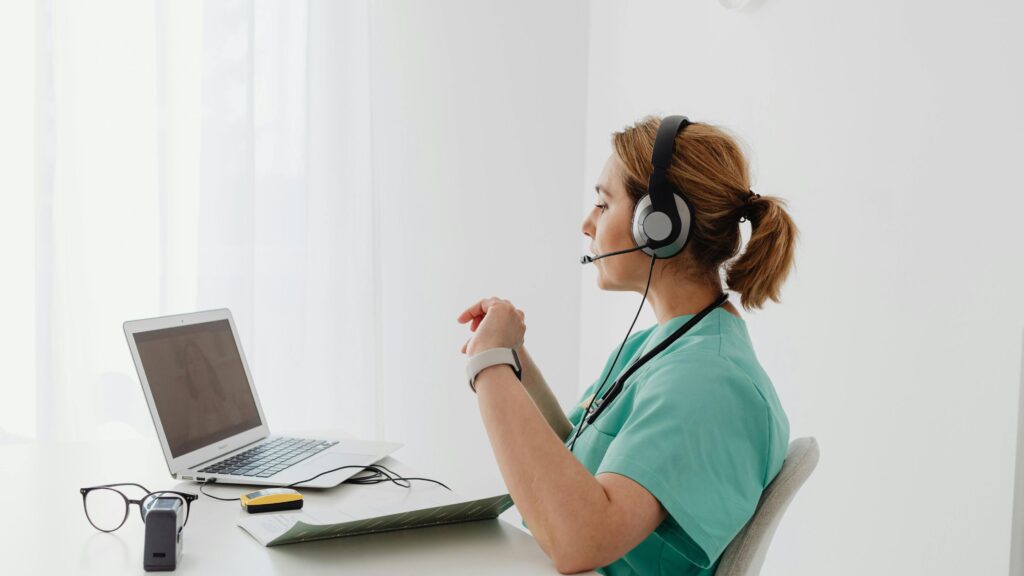
Effective teletherapy for students relies on adapting traditional methods, using engaging activities, and monitoring progress. These approaches help make virtual therapy sessions productive and beneficial.
Adapting Traditional Therapies to a Virtual Medium
You can modify many in-person therapy techniques for online use. Cognitive behavioral therapy works well in virtual settings. You can use screen sharing to show worksheets or slides. For play therapy, ask parents to have toys ready at home. Art therapy translates easily too – students can hold up their drawings to the camera.
Video chat allows for face-to-face interaction. This helps you pick up on non-verbal cues. You can still use techniques like mirroring body language. For younger kids, puppet play through the screen can be fun and effective.
Interactive and Engaging Activities
Keep students focused with interactive elements. Use online whiteboards for collaborative activities. Try digital games that target specific skills. Virtual reality tools can create immersive experiences.
Break up sessions with movement activities. Simple stretches or dance breaks work well. Use props students have at home, like stuffed animals for comfort objects.
Online scavenger hunts get kids moving while working on goals. You can ask them to find items of certain colors or shapes. This helps with following directions and cognitive skills.
Feedback and Progress Monitoring
Track progress with digital tools. Use online assessment forms to gather data. Share results through secure portals with parents and teachers. This helps everyone stay on the same page.
Set clear goals at the start of each session. Review progress at the end. Use visual aids like charts or graphs to show improvement over time. This motivates students to keep working.
Try recording snippets of sessions (with permission). You can review these later to spot areas for improvement. It also lets you share concrete examples of progress with families.
Access and Equity in Teletherapy
Teletherapy in schools can break down barriers and increase access to mental health support for all students. It addresses issues of equity by providing services to those who may have faced obstacles in receiving traditional in-person therapy.
Overcoming Socioeconomic Barriers
Teletherapy helps students from low-income families access mental health services. You don’t need to worry about transportation costs or taking time off work for appointments. Schools can provide devices and internet access to students who lack them at home.
Many insurance plans now cover teletherapy sessions. This makes it more affordable for families. Some schools partner with community organizations to offer free or low-cost teletherapy services.
Ensuring Cultural and Linguistic Competence
Teletherapy allows schools to connect students with therapists from diverse backgrounds. You can match students with therapists who speak their language and understand their culture. This improves communication and trust in the therapeutic relationship.
Online platforms often have translation features. These tools help bridge language gaps between therapists and students or families. Schools can also provide cultural competency training for teletherapists to better serve diverse student populations.
Universal Design for Learning in Teletherapy
Teletherapy platforms offer various tools to accommodate different learning styles and needs. You can use visual aids, interactive games, and multimedia content to engage students. This makes therapy more accessible for students with different abilities.
Text-based chat options help students who struggle with verbal communication. Closed captioning and screen readers assist those with hearing or visual impairments. Therapists can easily adjust session pacing and content to fit each student’s unique needs.
Professional Collaboration with in Teletherapy in schools
Teamwork is key for successful teletherapy in schools. Working together helps students get the best care possible.
Coordinating with School Staff
You’ll need to work closely with teachers and other school staff. Set up regular check-ins to share updates on student progress. Use secure messaging or video calls to stay in touch.
Create shared goals for each student. This helps everyone stay on the same page.
Ask teachers about classroom behaviors they notice. Their insights can guide your therapy sessions.
Multidisciplinary Approaches
Team up with other specialists to support students. This might include:
- Speech therapists
- Occupational therapists
- School psychologists
- Special education teachers
Share ideas and strategies in team meetings. Each expert brings a unique view to help the student.
Use online platforms to work on goals together. This keeps care consistent across different services.
Regular Communication and Updates
Set a schedule for progress reports. Send brief updates to the school team weekly or monthly.
Use charts or graphs to show student growth clearly. This makes it easy for others to understand.
Ask for feedback from school staff. They can tell you if they see changes in the classroom.
Be open to questions. Clear communication builds trust with the school team.

Evaluating Teletherapy in schools Outcomes
To measure the success of teletherapy in schools, you need to track key metrics. These metrics help you see if students are making progress and if the program is working well.
Some important things to measure include:
- Student attendance rates
- Improvement in academic performance
- Changes in behavior or social skills
- Student and parent satisfaction
- Teacher feedback
You can use surveys, tests, and observations to gather this information. It’s good to collect data before, during, and after teletherapy sessions.
Here’s a simple way to track progress:
| Metric | Before | During | After |
|---|---|---|---|
| Grades | B- | B | B+ |
| Behavior | 3 incidents/week | 1 incident/week | 0 incidents/week |
| Attendance | 80% | 90% | 95% |
Regular check-ins with students, parents, and teachers are important. They can give you valuable insights into how teletherapy is helping.
You should also look at how well the technology is working. Check if there are any connection issues or problems with the tools being used.
By tracking these outcomes, you can see what’s working well and what needs to be improved. This helps you make sure teletherapy is meeting the needs of your students.
Professional Development and Continuous Learning
Keeping your skills sharp is key for teletherapy success in schools. You need to stay up-to-date with the latest tools and methods. This helps you give students the best care possible.
Regular training sessions can boost your skills. These may cover topics like:
- New teletherapy platforms
- Digital assessment tools
- Online engagement strategies
- Privacy and security best practices
Joining professional networks is also helpful. You can connect with other school therapists doing teletherapy. This lets you share tips and learn from their experiences.
Don’t forget about self-study options. Online courses and webinars offer flexible ways to learn. You can pick topics that match your needs and schedule.
Your school might offer in-house training too. Take advantage of these chances to grow. They often focus on your specific school’s needs and systems.
Remember to track your learning. Keep a record of courses you take and skills you gain. This helps you see your progress and plan future growth.
Leveraging Parent and Caregiver Involvement
Parents and caregivers play a key role in successful teletherapy for students. Their support helps create a good environment for sessions at home.
You can involve parents by:
- Explaining the goals and process of teletherapy
- Providing tips for setting up a quiet space
- Suggesting ways to limit distractions during sessions
It’s important to set clear expectations with parents. Let them know how they can help before, during, and after sessions.
Regular check-ins with parents keep them engaged. You might:
• Send quick progress updates by email * Have brief video calls to discuss goals * Share resources they can use at home
Parents can reinforce skills between sessions. Give them simple activities to try with their child. This helps extend the benefits of therapy.
Remember that each family is different. Be flexible and work with parents to find what works best for their situation. With good teamwork, teletherapy can be very effective.
Frequently Asked Questions
Teletherapy in schools brings up many questions about implementation, privacy, and effectiveness. Let’s address some common concerns.
What are the key components necessary for implementing successful teletherapy programs in educational settings?
You need reliable technology and internet access. A quiet, private space for sessions is crucial. Trained staff who can use teletherapy platforms effectively are also key. Clear policies on scheduling, consent, and emergency procedures help ensure smooth operation.
How does teletherapy in schools enhance student access to mental health services?
Teletherapy removes location barriers. You can reach students in rural areas or those with limited transportation. It allows for more flexible scheduling. This means students don’t miss as much class time for appointments.
What strategies ensure confidentiality and privacy during school-based teletherapy sessions?
Use secure, encrypted video platforms. Set up a private room for sessions. Train staff on privacy laws and best practices. Create clear policies on record-keeping and information sharing. Make sure students understand their privacy rights.
In what ways can teletherapy be integrated into a school’s existing special education services?
You can use teletherapy for IEP meetings and assessments. It works well for speech therapy, counseling, and occupational therapy. Teletherapy can supplement in-person services or replace them when needed. It allows for more frequent check-ins with students and families.
How do practitioners measure the effectiveness of teletherapy interventions in school environments?
Track student progress using standardized assessments. Gather feedback from students, parents, and teachers. Compare outcomes to in-person therapy when possible. Look at attendance rates and engagement during sessions. Monitor changes in behavior or academic performance.
What training do school professionals need to deliver teletherapy effectively and ethically?
Training should cover teletherapy platforms and technology troubleshooting. Learn about online communication skills and building rapport virtually. Understand privacy laws and ethical guidelines for remote therapy. Practice adapting in-person techniques to an online format. Stay updated on best practices in teletherapy.


