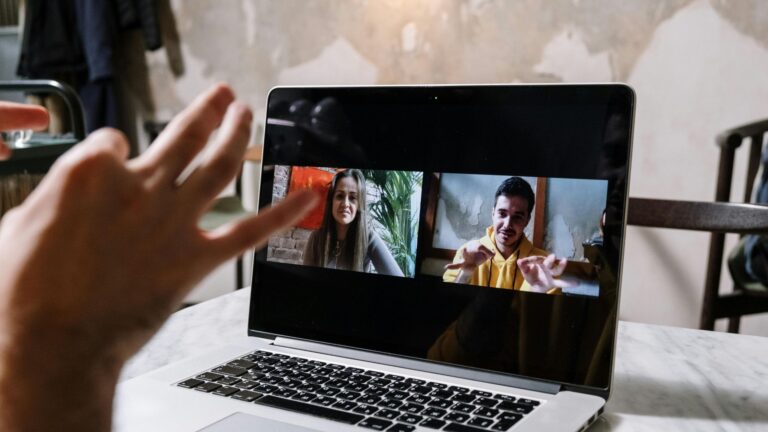
Transformative Teletherapy for Special Education in Remote Learning
Teletherapy for special education is transforming how students with unique learning needs access therapy, support, and services through flexible, remote technology. This new way of helping…
Teletherapy for special education is transforming how students with unique learning needs access therapy, support, and services through flexible, remote technology. This new way of helping students uses technology to connect them with teachers and therapists from far away. It’s making a big difference for kids who need extra support.
You might wonder how teletherapy works in schools. It’s simple: students use computers or tablets to talk with their therapists online. This means they can get help even if they live far from specialists or have busy schedules. Teletherapy lets more students get the care they need, when they need it.
Think about how this could help your child or students you know. They could talk to speech therapists, occupational therapists, or counselors without leaving school or home. This saves time and makes getting help easier. It’s a big step forward for special education.

The Fundamentals of Teletherapy
Teletherapy brings therapy services into the digital age. It uses technology to connect students with special education professionals remotely.
Definition and Overview of Teletherapy
Teletherapy is the delivery of therapy services through digital platforms. It uses video calls, messaging, and other online tools to provide care. This approach allows students to receive help from anywhere with an internet connection.
Teletherapy can include speech therapy, occupational therapy, and counseling. It’s not limited to one type of service. The main goal is to make therapy more accessible.
Therapists use special software designed for remote sessions. These tools often have features like screen sharing and interactive whiteboards. This helps create an engaging experience for students.
Teletherapy in Special Education Settings
In special education, teletherapy offers unique benefits. It lets students get help without leaving their homes or schools. This can be very helpful for those with mobility issues or in rural areas.
Teletherapy fits well with Individualized Education Programs (IEPs). It allows for frequent, consistent sessions that match each student’s needs. You can easily schedule short, regular meetings that don’t disrupt the school day.
Teachers and parents can join teletherapy sessions more easily. This helps everyone work together on the student’s goals. It also makes it simpler to practice skills between sessions.
Teletherapy in special education can include:
- One-on-one sessions
- Group therapy
- Parent training
- Teacher consultations
Technologies Powering Teletherapy for Special Education
Teletherapy relies on key software and hardware to connect students with special education services. These tools make remote therapy sessions possible and effective.
Software Solutions for Teletherapy
Video conferencing platforms like Zoom and Microsoft Teams are common in teletherapy. They allow face-to-face interaction between therapists and students.
Specialized teletherapy software offers more features. These may include:
- Interactive whiteboards
- Screen sharing
- Digital therapy materials
- Progress tracking tools
Some popular options are TheraPlatform, TheraNest, and SimplePractice. These platforms are designed for online therapy sessions.
Secure messaging systems let therapists and families communicate between sessions. This keeps everyone updated on progress and goals.
Hardware and Connectivity Requirements
A computer, tablet, or smartphone with a camera and microphone is needed for teletherapy. Many schools provide devices to students who need them.
High-speed internet is crucial for clear video and audio. A wired connection is best, but a strong Wi-Fi signal can work too.
Headphones help reduce background noise and improve focus. A quiet space for sessions is important for both therapists and students.
Some teletherapy may use specialized equipment. This could include:
- Speech therapy tools
- Occupational therapy aids
- Assistive devices for students with disabilities
Schools and families need tech support to troubleshoot issues quickly. This keeps sessions running smoothly.
Benefits of Teletherapy for Special Education
Teletherapy offers many advantages for students with special needs. It makes services more available and fits different learning styles. Parents can also get more involved in their child’s education.
Accessibility and Convenience
Teletherapy for special education removes barriers to getting help. Students can join sessions from home or school. This cuts down on travel time and costs.
You don’t need to worry about missing therapy due to bad weather or transport issues. Sessions can be scheduled at times that work best for you and your family.
Rural areas often lack special ed experts. Teletherapy for special education connects you with skilled professionals no matter where you live. This means more students can get the support they need.
Individualized Learning Approaches
Online therapy allows for custom-made plans. Therapists can use digital tools to match your learning style.
You can work at your own pace in a comfortable setting. This may help you feel more relaxed and open to learning.
Therapists can easily change materials to fit your needs. They might use:
- Interactive games
- Visual aids
- Audio clips
- Online worksheets
These tools make sessions more engaging and fun. You’re more likely to stay focused and make progress.
Parental Involvement and Support
Teletherapy for special education brings therapy into your home. This lets parents see and join in sessions.
You can learn techniques to help your child practice skills between appointments. This reinforces what they learn in therapy.
Parents can easily talk to therapists about progress and concerns. You might notice:
- Better communication with the therapy team
- More chances to ask questions
- A clearer picture of your child’s goals
This teamwork leads to better support for your child at home and in school.

Implementing Teletherapy for special Education in schools
Teletherapy brings special education services directly to students through technology. Schools need to address key areas for successful implementation.
Staff Training and Professional Development
Teachers and therapists need training to use teletherapy for special education tools effectively. Schools should provide hands-on practice with video platforms and digital resources. Regular workshops can cover topics like engaging students remotely and troubleshooting technical issues.
Create opportunities for staff to share best practices and learn from each other’s experiences. Consider partnering with teletherapy experts to offer specialized training.
Ongoing support is crucial. Set up a system for staff to get quick help when problems arise during sessions.
Curriculum and Instructional Design
Adapt existing materials for online delivery. Break lessons into shorter segments to maintain student focus. Use interactive elements like polls and virtual whiteboards to boost engagement.
Create a library of digital resources that therapists can easily access and share with students. This may include videos, games, and worksheets tailored for teletherapy.
Design activities that parents or caregivers can support at home. Provide clear instructions and any needed materials in advance.
Legal and Ethical Considerations
Ensure your teletherapy practices comply with special education laws and regulations. Review and update IEPs to reflect changes in service delivery.
Protect student privacy by using secure, HIPAA-compliant platforms. Train staff on data protection and confidentiality in virtual settings.
Get informed consent from parents for teletherapy for special education services. Clearly explain how sessions will work and address any concerns.
Develop policies for recording sessions and storing digital materials. Make sure these align with district guidelines and legal requirements.
Challenges of Teletherapy for Special Education (and Solutions)
Teletherapy in special education comes with unique hurdles. Schools face technical issues, privacy concerns, and the need to adapt services for diverse student needs. Addressing these challenges is key to successful implementation.
Technical Issues and Limitations
Reliable internet is crucial for teletherapy. Some students may lack fast connections at home. This can cause video freezing or audio delays during sessions.
Schools might need to provide devices or internet hotspots to students. Training on how to use video platforms is also important. Both students and therapists need to know how to troubleshoot common tech problems.
Some therapy tools don’t work well online. Physical materials like toys or flashcards may be harder to use virtually. Therapists might need to create digital versions of their resources.
Ensuring Data Privacy and Security
Protecting student information is a top priority in teletherapy. Schools must use secure, HIPAA-compliant video platforms. These keep therapy sessions private and safe from hacking.
Staff need training on privacy rules for online therapy. This includes how to safely store and share student data. Schools should have clear policies on recording sessions and getting parent consent.
It’s important to have a private space for teletherapy sessions. Students at home may need help finding a quiet area away from family members.
Adapting to Different Learning Needs
Each student has unique needs in special education. Teletherapy must be flexible to meet these varied requirements. Some students may struggle to focus during online sessions.
Therapists might need to use more visual aids or interactive tools to keep students engaged. They may also need to adjust session length based on a student’s attention span.
For students with physical disabilities, therapists must find ways to adapt hands-on activities. This could mean sending materials home or using digital versions of therapy tools.
Language barriers can be trickier online. Schools may need to provide interpreters or use closed captioning for some teletherapy sessions.
Evidence-Based Teletherapy for Special Education Services
Teletherapy for special education relies on proven methods backed by research. Studies show it can be as effective as in-person therapy when done right.
Case Studies and Success Stories
Many schools have seen great results with teletherapy. In one study, a group of students with speech delays made big gains after 6 months of online sessions. They improved as much as kids who got in-person help.
Another case looked at kids with autism. They did video calls with therapists to work on social skills. After 3 months, teachers said the students were doing much better in class. Parents liked that they could join sessions from home.
Some rural schools use teletherapy to reach more students. One district went from helping 50 kids to over 200 by adding online options.
Current Research and Outcomes
New studies keep showing teletherapy works well. A big review of 20 studies found online and in-person therapy had similar results for most issues.
Research points to some key things that help:
- Good internet connections
- Cameras that let therapists see students clearly
- Fun, interactive activities
- Parent involvement
One study tracked progress over a whole school year. Kids who did teletherapy 2-3 times a week made big jumps in test scores. They caught up to their peers in areas like reading and math.
Experts say more research will help make teletherapy even better. They want to learn which methods work best for different needs.

Family and Caregiver Roles in Teletherapy
Families and caregivers play a crucial part in teletherapy for special education. Your involvement can greatly impact your child’s progress and success.
During teletherapy sessions, you may need to help set up technology and ensure a quiet space for your child. You might also assist with positioning devices or materials.
Your presence can provide comfort and support to your child. You may need to help them stay focused and engaged during the session.
Therapists may ask you to participate in activities or exercises. This allows you to learn techniques you can use at home to reinforce skills.
Between sessions, you’ll likely have tasks to complete with your child. These could include practicing specific skills or completing homework assignments.
You’ll also communicate regularly with therapists about your child’s progress. This feedback helps therapists adjust their approach as needed.
Some key roles you may take on:
- Tech support
- Session facilitator
- Skill reinforcer
- Progress reporter
- Advocate for your child’s needs
Remember, your involvement is valuable. By actively participating in teletherapy, you can help maximize its benefits for your child.
Funding and Resources
Getting money for special education teletherapy can be tricky. Schools often use the same tech for virtual care as they do for other classes. This may not be enough for therapy goals.
You can look for grants to help pay for better tools. Some organizations offer funding for special education technology. Check with your state’s education department too.
Think about your budget carefully. Teletherapy might save money in the long run. You won’t need to pay for travel or extra space.
Here are some ways to find resources:
- Ask other schools what works for them
- Look into free or low-cost therapy platforms
- See if local businesses will donate equipment
- Team up with nearby districts to share costs
Remember, good tech is key. Invest in reliable internet and devices. This will make sessions run smoothly for students and therapists.
Don’t forget training. Set aside funds to teach staff how to use new tools. This will help everyone get the most out of teletherapy.
The Future of Teletherapy for Special Education Support
Teletherapy in special education is set to grow and change in exciting ways. New tech and policies will shape how students get support in the coming years.
Innovations on the Horizon
Virtual reality (VR) tools may soon let students practice social skills in safe, digital spaces. You’ll see more AI-powered apps that adapt to each child’s needs. These apps will give instant feedback and track progress.
Wearable devices could monitor student stress levels and alert therapists. This would help tailor sessions to a student’s state of mind.
Remote sensors may allow therapists to assess motor skills from afar. This tech would make physical therapy more accessible.
Policy and Advocacy for Widespread Adoption
Schools need clear rules on how to use teletherapy. You’ll see more push for laws that protect student privacy online.
Groups will lobby for better internet access in rural areas. This will help more students use teletherapy.
Insurance companies may start covering more teletherapy services. This change would make it cheaper for families.
Teacher training programs will likely add courses on teletherapy. This will help new teachers feel ready to use these tools.
Frequently Asked Questions
Teletherapy in special education raises many important questions. Let’s address some common concerns about implementing and using this approach effectively.
How does teletherapy compare to in-person therapy for special education?
Teletherapy offers similar benefits to in-person therapy for many students. It provides access to services that may be hard to get otherwise.
You can still build rapport and trust through video calls. Some students even feel more comfortable in their home environment.
What are the technical requirements for implementing teletherapy in a special education setting?
You’ll need reliable internet and devices with cameras and microphones. A computer, tablet, or smartphone can work well.
Secure video conferencing software is key. You may also want digital tools for sharing materials and activities.
What strategies ensure the effectiveness of teletherapy for students with special needs?
Keep sessions short and engaging. Use visual aids and interactive activities to maintain focus.
Break tasks into small steps. Provide clear instructions and frequent breaks. Involve parents or caregivers when helpful.
How do legal and ethical considerations impact the use of teletherapy in special education?
Privacy and data protection are crucial. Use HIPAA-compliant platforms and get informed consent from parents.
Follow state laws on teletherapy. Make sure your insurance covers remote services. Keep detailed records of all sessions.
Can teletherapy be effectively integrated into existing IEPs and 504 plans?
Yes, you can adapt most IEP and 504 plan goals for teletherapy. Review and update plans to include remote learning options.
Discuss changes with the student’s team and parents. Document how services will be provided remotely.
What training do educators and therapists need to provide teletherapy services for special education?
Learn to use teletherapy platforms and tools. Practice managing online sessions and troubleshooting tech issues.
Get training on adapting your techniques for remote delivery. Stay up-to-date on best practices for online therapy.