Positive Impacts of Teletherapy for School Districts
Teletherapy for school districts offers scalable solutions for mental health, special education, and student support without the traditional barriers of location or staffing. It’s becoming more…
Teletherapy for school districts offers scalable solutions for mental health, special education, and student support without the traditional barriers of location or staffing. It’s becoming more popular in schools across the country.
Teletherapy gives students better access to expert help, even if they live far from specialists. You can expect to see more flexibility in scheduling and a wider range of services available. This means more kids can get the support they need to do well in school.
Schools that use teletherapy often see improved student outcomes. It helps bridge gaps in care and lets therapists work closely with teachers and families. As technology improves, teletherapy will likely play a bigger role in education.
What Teletherapy for School Districts Means
Teletherapy uses technology to provide therapy services remotely. It allows students to connect with therapists online from school or home.
Definition of Teletherapy in Education
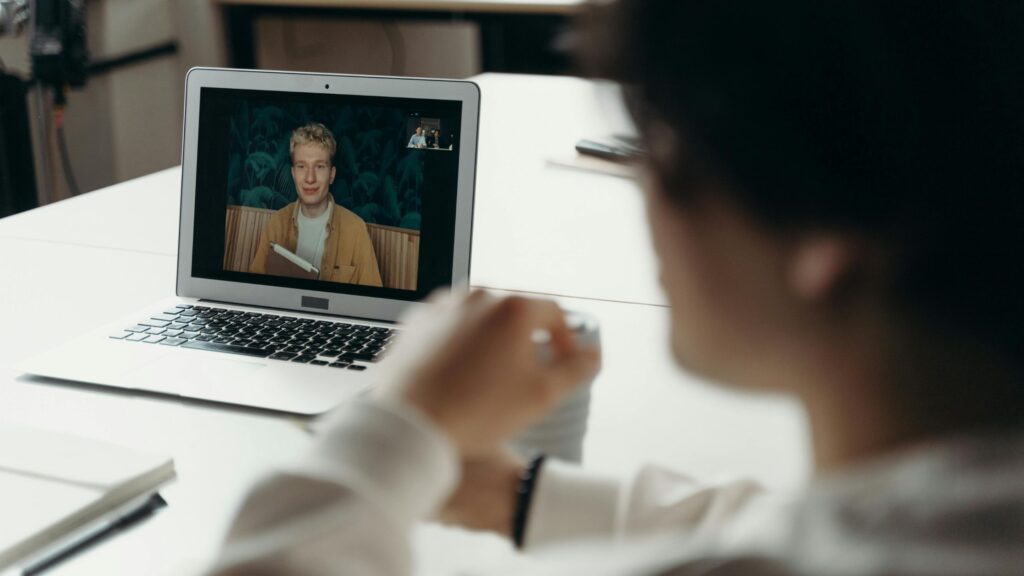
Teletherapy in schools means giving students therapy through video calls. You can get speech therapy, counseling, or other help this way. A therapist talks to you on a computer or tablet screen. They can see and hear you too.
This works for many kinds of therapy. You might practice speech sounds, talk about feelings, or do exercises. The therapist guides you just like they would in person.
Teletherapy fits into the school day easily. You don’t have to leave class for long. It saves time and lets more kids get help.
Technological Requirements
To use teletherapy, you need a few key things:
• A device like a computer, tablet, or smartphone * A good internet connection * A camera and microphone * Headphones (for privacy) * A quiet space
The school often provides the needed tech. They make sure it’s set up right. You’ll use special software to connect. It keeps your info private and safe.
Teachers help younger kids get ready. Older students can often log in on their own. Tech support is there if you have trouble.
Expanding Access with Teletherapy for School Districts
Teletherapy helps school districts reach more students who need specialized support. It breaks down distance barriers and fills gaps when there aren’t enough local providers.
Overcoming Geographical Barriers
Teletherapy lets students in rural or remote areas connect with specialists far away. You no longer have to rely only on providers in your local area.
Students can get help from experts anywhere in the state or country. This is great for small towns that may not have certain types of therapists nearby.
Teletherapy also cuts travel time for both students and providers. Kids don’t have to miss as much class to go to appointments. Specialists can see more students each day without driving between schools.
Addressing Provider Shortages
Many school districts struggle to find and keep specialist staff. Teletherapy gives you a bigger pool of providers to choose from.
You can hire part-time teletherapists to fill gaps in your team. This costs less than hiring full-time staff with benefits. It’s easier to adjust staffing as needs change.
Teletherapy also helps current staff serve more students. Providers can fit in quick check-ins between in-person sessions. They can offer group therapy to multiple schools at once.
This helps cut down waitlists and makes sure all students get timely care.
Boosting Engagement Through Teletherapy for School Districts
Teletherapy offers new ways to keep students focused and involved in their therapy sessions. It uses technology to create fun and personalized learning experiences.
Incorporating Interactive Tools
Digital tools make teletherapy sessions more engaging for students. Games, quizzes, and virtual whiteboards grab their attention and make learning fun. These tools let students practice skills in a low-pressure setting.
Therapists can use screen sharing to show videos or images that help explain concepts. Online polls and chat features encourage students to share their thoughts. This active participation keeps them invested in their progress.
Adapting to Learning Styles
Teletherapy makes it easier to match different learning styles. Visual learners benefit from colorful graphics and videos. Auditory learners can use voice recordings and listen to instructions.
For hands-on learners, therapists can guide students through physical activities via video. They might demonstrate exercises or ask students to manipulate objects at home. This flexibility helps each student learn in the way that works best for them.
Therapists can also quickly switch between methods if one isn’t working. This adaptability keeps students interested and helps them make faster progress.

Reducing Absenteeism with Teletherapy in Schools
Teletherapy helps schools tackle chronic absenteeism and truancy issues. It provides more flexible options for students to get support and stay engaged with school. This leads to better attendance and academic results.
Facilitating Consistent Attendance
Teletherapy makes it easier for students to show up regularly. You can offer therapy sessions online, so kids don’t need to leave school or home. This cuts down on missed class time.
Some benefits include:
- Fewer transportation issues
- Easier to fit sessions into busy schedules
- Option to attend even when mildly sick
Online check-ins also help catch attendance problems early. Therapists can quickly reach out if a student misses sessions. This keeps kids from falling behind or feeling disconnected.
Impact on Academic Performance
Better attendance through teletherapy boosts academic performance. When students show up more, they learn more. Online sessions mean less disruption to the school day.
Key improvements:
- Higher test scores
- More completed assignments
- Better grades overall
Teletherapy also helps students feel more supported. This makes them more likely to engage in class. They can get help for issues that may be holding them back academically. As a result, you’ll see fewer failing grades and more students on track to graduate.
Cost Benefits of Teletherapy for School Districts
Teletherapy can save school districts money in several key ways. It cuts down on travel costs and allows for more efficient use of resources.
Minimizing Transportation Expenses
Teletherapy eliminates the need for therapists to travel between schools. This saves on gas, vehicle maintenance, and travel time costs.
Schools don’t have to pay mileage reimbursements or cover transportation expenses. Rural districts benefit greatly, as they often struggle to find local specialists.
Students also save time and money by not having to travel off-campus for appointments. This means less disruption to their school day and fewer absences.
Streamlining Resource Allocation
With teletherapy, schools can serve more students with fewer therapists. One therapist can work with kids at multiple schools in a single day.
This flexibility lets districts optimize their staffing and reduce personnel costs. They can hire part-time teletherapists to fill specific needs instead of full-time on-site staff.
Schools save money on office space and equipment too. They don’t need dedicated therapy rooms or specialized tools for each location.
Teletherapy platforms often include built-in assessment and progress tracking tools. This cuts down on administrative costs and paperwork for schools.
Ensuring Compliance with Teletherapy for School Districts
Schools using teletherapy must protect student privacy and follow legal rules. This means using safe tools and keeping data private.
Adhering to Privacy Laws
You need to follow FERPA and HIPAA laws for student privacy. These laws say who can see student info and how to keep it safe. Make sure your staff knows these rules.
Train your team on privacy best practices. Set up rules for handling student data. Keep therapy notes secure and only share them when needed. Get parent permission before starting teletherapy.
Utilizing Secure Platforms
Pick teletherapy tools that keep data safe. Look for platforms with encryption and password protection. These stop others from seeing private info.
Test the security of any system before using it. Make sure video calls are private. Use waiting rooms so only the right people join sessions. Pick tools that let you safely share and store files.
Train staff on how to use these platforms safely. Show them how to avoid common mistakes that could put data at risk.

Preparing for trends in Teletherapy for School Districts
School districts need to get ready for changes in education and technology. These changes will shape how teletherapy is used in schools.
Embracing Technology in Education
New tech tools will make teletherapy better. You’ll see more virtual reality and artificial intelligence in therapy sessions. These tools can help students practice social skills or manage anxiety in safe, controlled settings.
Smart devices will also play a bigger role. Wearable tech could track students’ stress levels and suggest coping strategies. Apps might offer quick mood checks or relaxation exercises between classes.
Video platforms will keep improving too. Expect clearer video, less lag time, and more interactive features. This will make online therapy sessions feel more like face-to-face meetings.
Adapting to Evolving Pedagogies
Teaching methods are changing, and teletherapy will change too. You’ll see more focus on personalized learning in therapy sessions. This means tailoring approaches to each student’s needs and learning style.
Group teletherapy sessions might become more common. These can help students build social skills and support each other. Online platforms can make it easier to bring together students with similar needs.
Data will play a bigger role in tracking progress. You’ll be able to use digital tools to measure improvements in behavior or academic performance. This can help show the value of teletherapy programs to parents and school boards.
Therapists will also work more closely with teachers. Online platforms can make it easier to share information and coordinate support for students throughout the school day.
Frequently Asked Questions
Teletherapy offers many benefits for school districts. It can save money, improve access, help with legal requirements, boost student results, protect privacy, and require some training.
What are the cost-saving advantages of implementing teletherapy for school districts?
Teletherapy can cut travel costs for therapists. You don’t need to pay for their gas or time on the road. It also reduces the need for physical therapy spaces in schools. This saves on rent and equipment costs.
Virtual sessions mean less paperwork too. Digital records are cheaper to store and manage than paper files.
How does teletherapy enhance accessibility to services for students in schools?
Teletherapy removes distance barriers. Students in rural areas can now get help from specialists far away. Kids who are sick at home can still attend therapy sessions.
It’s easier to schedule sessions with teletherapy. You can fit them into short time slots during the school day. This means more students can get the help they need.
In what ways does teletherapy for school districts contribute to compliance with IDEA?
Teletherapy helps schools meet IDEA rules for special education services. It makes it easier to provide required therapies to all students who need them. This includes speech, occupational, and physical therapy.
You can track sessions and progress digitally. This helps with the required reporting for IDEA compliance.
What impacts does teletherapy for school districts have on engagement and outcomes in a school setting?
Kids often feel more at ease in virtual sessions. They may open up more when talking from a familiar place. This can lead to better therapy results.
Teletherapy tools can make sessions more fun and interactive. Games and digital activities can keep students focused and motivated.
How can school districts ensure confidentiality and security in teletherapy sessions?
Use secure, encrypted video platforms for all sessions. Train staff on privacy rules and best practices for online therapy.
Create private spaces in schools for students to use during sessions. This protects their privacy from other students and staff.
What training and support systems are necessary for school districts to successfully adopt teletherapy?
Train therapists on how to use teletherapy tools effectively. This includes both the tech side and how to engage students online.
Set up IT support to help with any technical issues. Make sure all staff know how to get help if something goes wrong.
Provide ongoing training as teletherapy practices and tools evolve. This keeps your program up-to-date and effective.