Teletherapy: What It Is And How It Helps Your Child – A Guide for Modern Parents
Teletherapy for children brings professional help right to your home through video chats. It lets your child get speech, occupational, physical, or mental health therapy…
Teletherapy for children brings professional help right to your home through video chats. It lets your child get speech, occupational, physical, or mental health therapy using a computer or tablet. This modern approach makes it easy to connect with therapists no matter where you live.
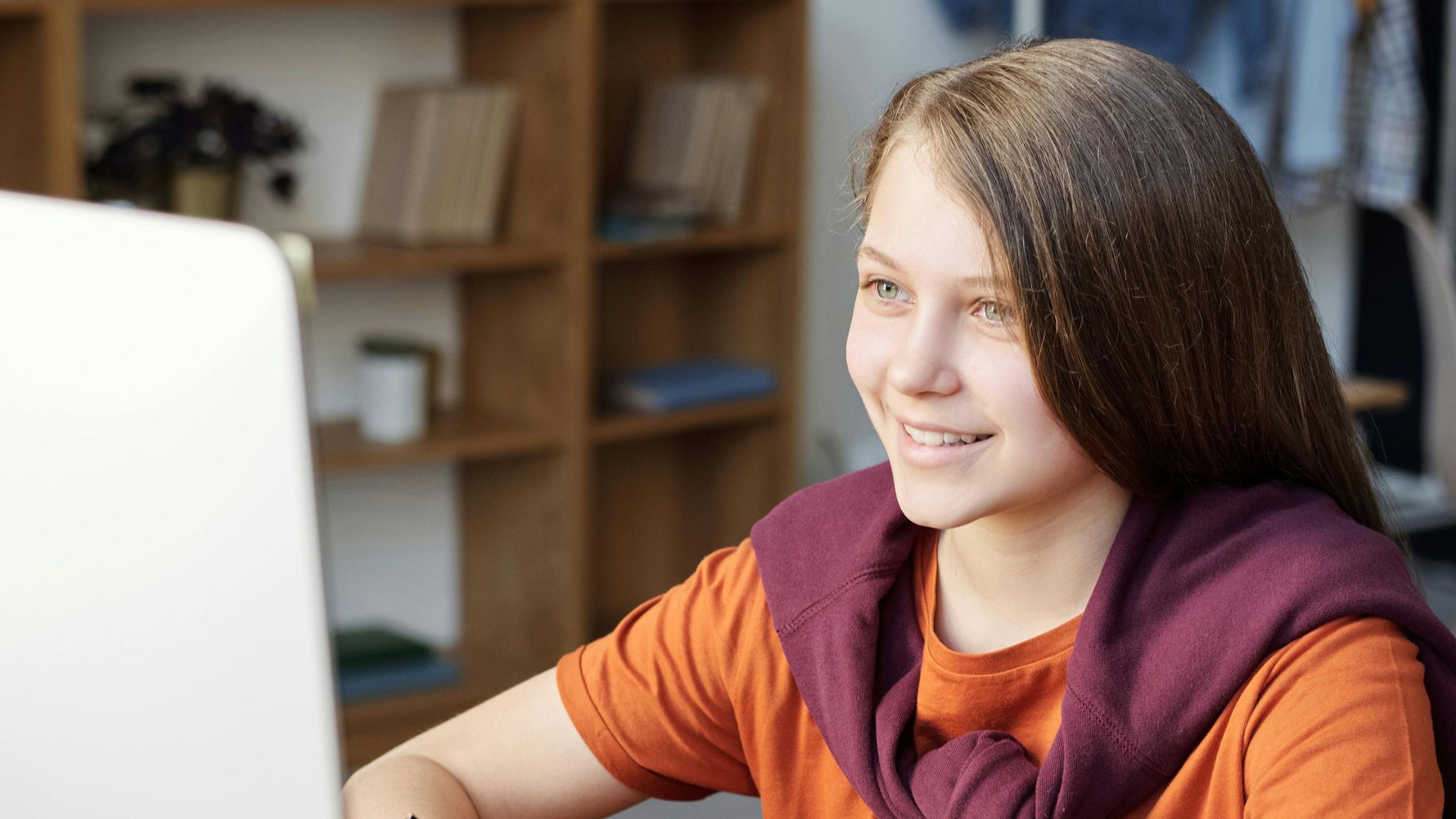
Teletherapy works just like in-person sessions, but your child joins from a comfortable spot at home. They can talk to and see their therapist on the screen. The therapist guides them through activities and exercises, watching and giving feedback in real-time. This setup helps kids stay on track with their therapy goals even when they can’t go to an office.
You might wonder if teletherapy is as good as face-to-face visits. For many kids, it works great. They often feel relaxed in their own space. Some even find it easier to focus without the distractions of a new place. Teletherapy also saves travel time, making it simpler to fit sessions into busy schedules.
Understanding Teletherapy for Children
Teletherapy brings therapy services into your home through video calls. It allows your child to get help from experts without leaving the house.
Defining Teletherapy
Teletherapy is therapy done over video chat. Your child meets with a therapist online instead of in an office. They can see and talk to each other in real-time.
Teletherapy works for many types of therapy. Your child can get speech, occupational, physical, or behavioral therapy this way. The therapist uses special software to keep your info private.
You’ll need a computer, tablet, or smartphone with a camera and internet. The therapist will guide you through setting up and joining calls.
History and Evolution of Teletherapy for children
Teletherapy started in the 1990s as a way to help people in rural areas. At first, it was mostly phone calls. As technology got better, video calls became possible.
The COVID-19 pandemic made teletherapy more common. Many families tried it for the first time when in-person visits weren’t safe.
Now, teletherapy is a normal option for many kids. It’s not just for emergencies anymore. Some families prefer it because it’s easier to fit into busy schedules.
Therapists have learned new ways to make online sessions fun and effective for kids. They use games, videos, and other digital tools to keep children engaged.

Why Teletherapy for Children is a smart option
Teletherapy offers many advantages for kids. It helps more children get the care they need in ways that work well for families.
Accessibility for Remote or Underserved Areas
Teletherapy brings help to kids who live far from clinics. Rural families no longer need to drive long distances for appointments. Kids can connect with therapists from home using video calls.
This helps children get care even if they live in areas without many specialists. It cuts down on missed school and work for families. Kids can keep up with therapy sessions more easily.
Teletherapy also works well for kids with limited mobility. They can get help without the stress of travel.
Convenience and Comfort
Online therapy fits into busy family schedules. Parents save time by not driving to appointments. Kids can have sessions before or after school from home.
Many children feel more relaxed in their own space. This can help them open up and make progress faster. Shy kids may find it easier to talk on video than in person.
Families can join sessions together more easily. Parents can learn ways to support their child between appointments.
Access to Specialized Therapists
Teletherapy connects kids with experts who may not practice nearby. Children can work with therapists trained in specific needs or methods.
This widens the pool of available therapists. Kids aren’t limited to local options. They can find the best fit for their unique challenges.
Continuity of care improves too. If a family moves, the child can keep working with the same therapist online. This avoids setbacks from switching providers.
How Teletherapy for children Works at home
Teletherapy uses video calls to connect kids with therapists. It lets your child get help from home. You’ll need a few things to make it work well.
Setting Up the Home Environment
Pick a quiet spot for your child’s sessions. Clear a space with good lighting. Make sure the area is free from distractions. Have your child sit at a desk or table. Use a comfy chair that lets them sit up straight.
Keep therapy tools nearby. These might include: * Paper and crayons * Toys or games * Books
Ask others in your home to be quiet during sessions. Turn off TVs and music. Close windows to block outside noise.
Tools and Technologies Used
You’ll need a device with a camera and mic. This could be a: * Computer * Tablet * Smartphone
Check that you have a strong internet connection. Download any apps the therapist asks you to use. These are safe and protect your privacy.
Some other helpful tools are: * Headphones * A large screen (if possible) * A phone stand or laptop riser
Test your setup before the first session. Make sure the therapist can see and hear your child clearly.
The Therapist’s Role
The therapist leads the session just like in-person. They may: * Show pictures or videos * Play games * Give instructions for activities
Therapists adapt their methods for online use. They might send you materials to print before the session. Or they may ask you to gather items from around your house.
Therapists watch your child closely through the screen. They look for signs of progress or struggle. They give feedback and adjust the therapy as needed.
You may need to help during the session. The therapist might ask you to: * Demonstrate an activity * Help your child stay focused * Provide physical support for exercises