The Ultimate Guide to Teletherapy and How It Works
What is Online therapy and how does it work? Teletherapy brings mental health care to your home through technology. It lets you talk to a…
What is Online therapy and how does it work? Teletherapy brings mental health care to your home through technology. It lets you talk to a therapist online using video, phone, or chat. You can get help for issues like stress, anxiety, and depression without leaving your house.
Online therapy works much like regular therapy, but you meet with your counselor virtually instead of in an office. You’ll have scheduled sessions where you can discuss your concerns and work on coping strategies. Many find it just as helpful as in-person therapy.
This online approach to mental health care has some perks. It’s often more flexible and cuts out travel time. You can pick from a wider range of therapists too. If you’re curious about trying teletherapy, it’s worth looking into your options.
Understanding Online Therapy and counseling
Teletherapy is a modern approach to mental health care that uses technology to connect patients with therapists remotely. It offers a flexible and accessible way to get help.
Definition and Concepts
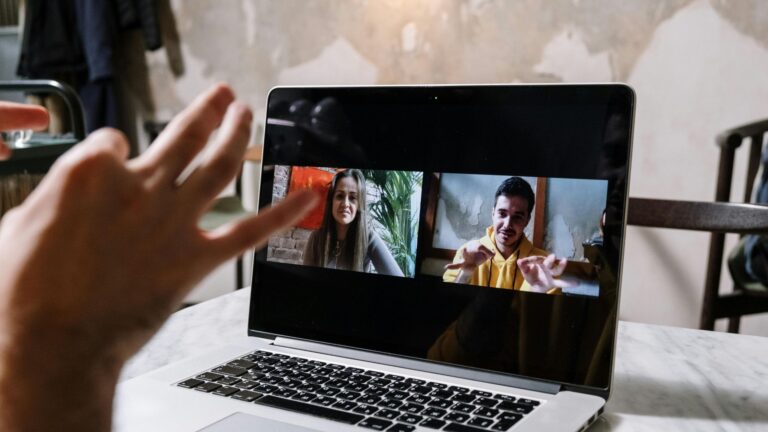
online therapy (Teletherapy) is therapy delivered through digital platforms like video calls, phone calls, or secured messaging apps. You can talk to a therapist from your home or any private space. It covers many types of therapy, including counseling, cognitive behavioral therapy, and group sessions.
therapy works similar to in-person visits. Sessions usually last 45-60 minutes. You’ll have regular appointments and work on your mental health goals. The main difference is you’re not in the same room as your therapist.
Many health insurance plans now cover online therapy. This can make it more affordable. Some providers offer lower fees due to less overhead costs.
History and Evolution
Teletherapy isn’t new, but it’s grown a lot recently. It started with phone counseling in the 1960s. As technology improved, so did teletherapy options.
The COVID-19 pandemic led to a big rise in teletherapy use. Many therapists moved their practices online to keep helping patients safely. This quick change showed how useful teletherapy can be.
Today, online therapy is a key part of mental health care. It helps reach people in rural areas or those who can’t easily leave home. As internet speeds get faster and video tech improves, teletherapy will likely keep growing and changing.

The Online therapy step by step Process
Teletherapy follows a structured process to provide mental health support remotely. It includes several key steps to ensure effective treatment.
Initial Assessment
Your therapist will start with an initial assessment. You’ll fill out forms about your background and current concerns. This helps the therapist understand your needs.
The therapist may ask questions about:
- Your mental health history
- Current symptoms
- Life stressors
- Goals for therapy
This assessment helps create a treatment plan just for you. It sets the stage for future sessions.
Setting Up the Virtual Environment
You’ll need a quiet, private space for online therapy. Choose a room where you won’t be disturbed. Make sure you have:
- A stable internet connection
- A device with a camera and microphone
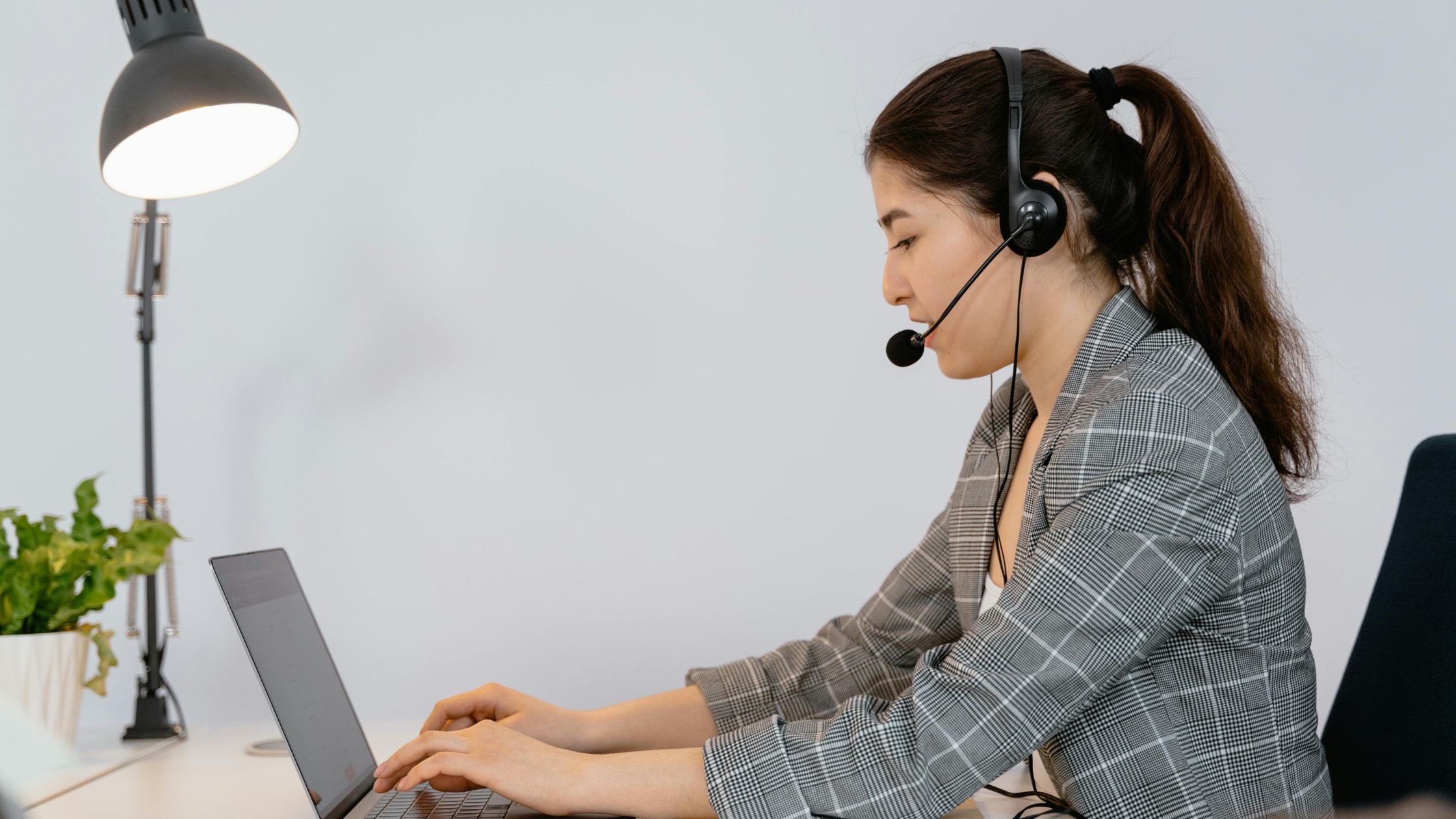
- Headphones for better sound quality
Test your equipment before the first session. This prevents technical issues during therapy.
Your therapist will use a secure platform for video calls. They’ll send you login details and instructions. Privacy is key, so the platform will have strong security features.
Conducting a Session
Teletherapy sessions are similar to in-person visits. They usually last 45-60 minutes. You’ll talk with your therapist via video call.
During the session, you might:
- Discuss your thoughts and feelings
- Work on coping strategies
- Learn new skills to manage symptoms
Your therapist may use different techniques, like cognitive-behavioral therapy. They might share their screen to show worksheets or exercises.
Remember to speak clearly and face the camera. This helps create a connection with your therapist.
Follow-Up and Progress Tracking
Your therapist will track your progress over time. They might ask you to complete surveys or questionnaires. This helps measure how well treatment is working.
You’ll schedule follow-up sessions as needed. The frequency depends on your needs and goals. Some people have weekly sessions, while others meet less often.
Between sessions, you might have homework. This could include practicing new skills or keeping a mood journal. Sharing these with your therapist helps guide future sessions.
Your therapist will adjust your treatment plan as needed. They’ll work with you to make sure you’re meeting your goals.
Technologies That Make online therapy Work
Teletherapy relies on various technologies to connect therapists and clients remotely. These tools enable secure communication, data management, and smooth session delivery.
Software Solutions
Video conferencing platforms are key for online therapy. Popular options include Zoom, Doxy.me, and VSee. These allow face-to-face sessions and often have built-in scheduling features.
Messaging apps like Signal or WhatsApp can be used for text-based therapy. They offer end-to-end encryption for client privacy.
Electronic health record (EHR) systems help therapists manage client information and notes. Some popular EHRs are TherapyNotes and SimplePractice.
Hardware Requirements
A computer or smartphone with a good camera and microphone is essential. This ensures clear audio and video during sessions.
A stable internet connection is crucial. Wired connections are often more reliable than Wi-Fi.
Headphones can improve audio quality and privacy during sessions.
A second monitor can be helpful for therapists to view client information while on video calls.
Security and Compliance Tools
HIPAA-compliant software is a must for protecting client data. This includes secure video platforms and encrypted messaging apps.
Virtual private networks (VPNs) add an extra layer of security when accessing client information online.
Two-factor authentication helps prevent unauthorized access to therapist accounts and client data.
Secure file storage solutions like Dropbox Business or Google Workspace ensure safe document sharing and storage.

Benefits of Teletherapy
Online therapy offers many advantages for clients seeking mental health support. It makes therapy more accessible, saves money, and provides a comfortable experience.
Accessibility and Convenience
Teletherapy brings therapy to you, no matter where you are. You can connect with a therapist from home, work, or while traveling. This is great if you live far from mental health services or have mobility issues.
You save time by not having to travel to appointments. This means less stress and more time for other activities.
Online therapy also makes it easier to fit sessions into your busy schedule. You can often book appointments outside of typical office hours.
Cost-Effectiveness
Teletherapy can be cheaper than in-person therapy. Therapists may charge less since they don’t need to rent an office space. You also save money on travel costs like gas or public transport fares. Some insurance plans cover teletherapy sessions. This can make getting help even more affordable.
Teletherapy lets you access care without taking time off work. This means you don’t lose income to attend appointments.
Client Comfort and Flexibility
You can attend sessions from a place where you feel most at ease. This might be your favorite chair or a quiet spot in your home. Being in a familiar setting can help you open up more easily.
Teletherapy gives you more options for therapists. You’re not limited to local providers. This means you can find someone who specializes in your specific needs.
You have more control over your therapy environment. You can adjust lighting, temperature, and noise levels to suit your preferences.
Challenges and Considerations
Teletherapy brings unique obstacles that patients and therapists must navigate. These include tech issues, privacy concerns, legal complexities, and building connections remotely.
Technological Barriers
Internet problems can disrupt therapy sessions. Slow connections may cause video lags or audio glitches. This can make it hard to communicate clearly. Some people lack access to reliable internet or devices needed for video calls.
Technical difficulties might occur mid-session. A dropped call or frozen screen can interrupt important moments. Patients and therapists need basic tech skills to troubleshoot issues.
Not everyone feels comfortable using technology. Older adults or those less tech-savvy may struggle. Learning new platforms takes time and patience.
Privacy and Security
Keeping sessions private at home can be tricky. Family members or roommates might overhear conversations. Finding a quiet, private space is key for open discussions.
Online platforms must use strong encryption to protect patient data. Hacking and data breaches pose risks to confidential info. Therapists need secure systems to store session notes and records.
Some patients worry about online privacy. They may not trust that their personal details are safe on the internet. Clear explanations of security measures can help ease these fears.
Licensure and Legal Issues
Therapist licensing can be complex for online therapy. Laws vary by state and country. Some places restrict therapists from treating patients across state lines.
Insurance coverage for online therapy differs between providers. Patients may face unexpected costs if their plan doesn’t cover online sessions. Therapists must stay up-to-date on changing regulations.
Handling emergencies remotely presents challenges. Therapists need plans to help patients in crisis when they’re not physically present.
Building Therapeutic Relationship
Creating a strong bond can be harder online. Missing body language cues might lead to misunderstandings. Eye contact through a screen feels different than in person.
Some therapy techniques don’t translate well to video calls. Play therapy with children or certain types of trauma work may be limited. Therapists must adapt their methods for online settings.
Technical glitches can disrupt emotional moments. A frozen screen during a vulnerable share can be frustrating. Both parties need patience to work through these interruptions.
Applicability of Teletherapy
Teletherapy can help many people with different health needs. It works well for mental health, speech problems, and physical issues. Let’s look at how it applies to these areas.
Mental Health Disorders
Teletherapy is great for many mental health problems. You can get help for depression, anxiety, and stress from home. Video calls let you talk to a therapist face-to-face. This feels like being in the same room.
Phone sessions work too if you don’t want to be on camera. Text chats are good for quick check-ins. You can even do group therapy online.
Teletherapy helps with:
- Panic attacks
- Phobias
- PTSD
- Eating disorders
It’s easy to fit sessions into your day. You don’t need to travel or sit in waiting rooms.
Speech and Language Services
Speech therapy works well online. Kids and adults can improve their speech from home. A therapist can show you mouth movements on screen. You can practice sounds together.
Teletherapy helps with:
- Stuttering
- Lisps
- Voice problems
- Language delays
Games and apps make online speech therapy fun for kids. Parents can join in and learn how to help at home.
For adults, teletherapy can fix accent issues or help after a stroke. You can do exercises any time that works for you.
Occupational and Physical Therapy
You might think hands-on therapy can’t work online. But it can! Therapists use video to show you exercises. They watch you do them and give tips.
Teletherapy helps with:
- Back pain
- Joint problems
- Balance issues
- Hand strength
You’ll need some space at home to move around. Your therapist might ask you to use items like chairs or water bottles for exercises.
Virtual reality is making online physical therapy even better. It can track your movements and give feedback.

Best Practices in Teletherapy
Teletherapy requires some adjustments to traditional therapy methods. These best practices help make online sessions effective and professional.
Preparing Clients for Sessions
Check your tech setup before each session. Make sure your internet connection, camera, and microphone work well. Find a quiet, private space where you won’t be disturbed. Close other apps and turn off notifications on your device.
Have a backup plan ready in case of tech issues. Know how to switch to a phone call if video fails. Keep your therapist’s phone number handy.
Get comfy but stay professional. Dress as you would for an in-person session. Sit in a chair at a desk or table instead of lying in bed.
Maintaining Professional Standards
Set clear boundaries with your therapist. Agree on contact methods between sessions. Discuss how to handle emergencies. Sign consent forms for teletherapy. These cover privacy, tech requirements, and payment policies. Your therapist should use a HIPAA-compliant video platform. This keeps your sessions private and secure.
Therapists should have a professional background visible on camera. A blank wall or bookshelf works well.
Ensuring Effective Communication
Look at the camera to make eye contact. This helps you connect with your therapist.Speak clearly and pause often. Allow for slight audio delays. Use hand gestures and facial expressions to show how you feel. These visual cues help your therapist understand you better.
Ask your therapist to repeat things if needed. Don’t be shy about saying you didn’t hear something.Try screen sharing to review worksheets or homework together. This can make sessions more interactive.
Future of Teletherapy
Teletherapy is set to grow even more popular in the coming years. Many people enjoy the flexibility and easy access it provides. You can expect to see continued improvements in technology that make online therapy sessions smoother and more effective. Virtual reality may play a bigger role in teletherapy. This could allow for more immersive and interactive sessions. You might be able to meet your therapist in a virtual office or calming environment.
AI tools could help match you with the best therapist for your needs. They may also assist therapists in tracking your progress and suggesting helpful exercises between sessions. Group therapy and support groups will likely become more common in online formats. This gives you more options to connect with others facing similar challenges.
Teletherapy may integrate more with other health services. Your online therapist could work closely with your doctor or other healthcare providers to give you better overall care. As more people use teletherapy, insurance companies may offer better coverage for these services. This could make it easier for you to afford and access mental health support online.
Resources and Training
To get started with teletherapy, you’ll need a few key tools and skills. Here’s what you should have:
Essential equipment:
- Computer, tablet, or smartphone
- Reliable internet connection
- Webcam and microphone
- Headphones (for privacy)
Software and platforms:
- Video conferencing apps (e.g. Zoom, Skype)
- Secure messaging systems
- Electronic health record systems
Training is crucial for therapists offering teletherapy. Many professional organizations provide online courses and certifications. These cover topics like:
- Ethics and legal issues in teletherapy
- Best practices for virtual sessions
- Technology troubleshooting
- Building rapport through a screen
As a client, you don’t need special training. But it helps to be comfortable with basic technology. Your therapist can guide you through the process of joining sessions. Some therapists offer free intro calls. These let you test the technology and see if teletherapy feels right for you. Don’t hesitate to ask questions about the platform or process.
Remember, teletherapy is a skill that improves with practice. Be patient with yourself and your therapist as you both adjust to this format.
Frequently Asked Questions
People often have questions about teletherapy. Let’s look at some common ones to help you understand this type of care better.
How is teletherapy administered in the context of mental health?
Teletherapy for mental health uses video calls or phone sessions. You talk with a therapist from your home or another private space. The therapist uses secure software to protect your privacy. You’ll need a device like a computer, tablet, or smartphone. A good internet connection is also important. Sessions usually last about an hour, just like in-person visits.
What are the potential benefits of using teletherapy for patients?
Teletherapy can be very handy. You don’t have to travel to appointments. This saves time and money on gas or public transport. It’s also great if you live far from therapists or have trouble leaving home. You can get help even if you’re sick or busy. Some people feel more at ease talking from their own space too.
Can teletherapy be an effective treatment for speech disorders?
Yes, teletherapy can work well for speech issues. A speech therapist can watch and listen to you through video. They can show you mouth movements and give you exercises. You might need some tools at home, like a mirror or specific apps. Your therapist will guide you on what to use. Many kids and adults have improved their speech this way.
What are common concerns or disadvantages associated with teletherapy?
Some worry about tech problems during sessions. Slow internet or device issues can be frustrating. Privacy can also be a concern if you don’t have a quiet, private space at home. A few people miss the personal touch of face-to-face meetings. Others find it harder to focus without being in an office setting. These feelings are normal and valid.
How do teletherapy sessions differ from traditional in-person therapy sessions?
The main difference is the setting. You’re in your own space, not a therapist’s office. The therapist sees you through a screen instead of across a room. You might need to set up your own comfy, quiet spot for sessions. The therapist can’t hand you things like worksheets, so they might email them instead. But the core of therapy – talking and working on your mental health – stays the same.
What qualifications should one look for in a teletherapy provider?
Look for the same credentials you’d want in any therapist. This includes proper education, licenses, and certifications. Check if they’re allowed to practice in your state. Ask about their experience with teletherapy. Some extra training in online therapy can be a plus. Make sure they use secure, HIPAA-compliant video platforms to protect your privacy.