Teletherapy for K-12 Students: Benefits and Implementation in Schools
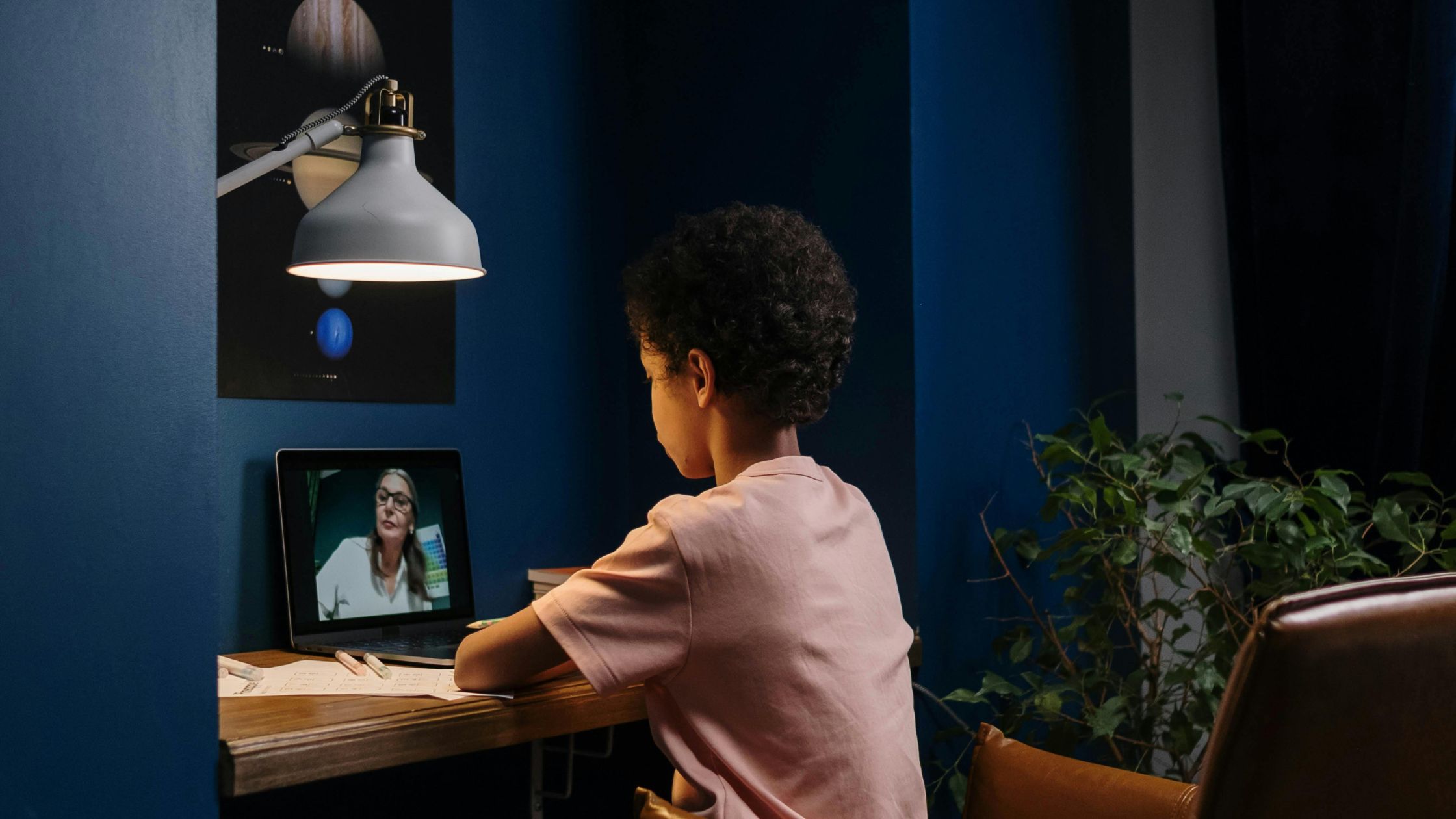
Teletherapy for K-12 students is transforming how schools deliver mental health and support services. This online approach lets kids talk to therapists through video calls…
Teletherapy for K-12 students is transforming how schools deliver mental health and support services. This online approach lets kids talk to therapists through video calls and is becoming more common in schools across the country.
Teletherapy makes it easier for students to get help, no matter where they live. You don’t need to travel to an office. Instead, you can connect with a therapist from school or home. This is great for students in rural areas or those with busy schedules.
Teletherapy also gives you more choices. You can work with therapists who specialize in different issues, even if they’re not nearby. Plus, many students feel more comfortable opening up from familiar surroundings. Teletherapy for K-12 students is a new tool that’s making mental health care more available to K-12 students.
Efficacy of Teletherapy for K-12 Education
Teletherapy has shown promising results for K-12 students. Studies suggest it can be as effective as in-person therapy for many students. Benefits include increased access and flexibility, while challenges involve technology issues and engagement.
Comparative Studies on In-Person vs. Teletherapy Outcomes
Research shows teletherapy for K-12 Students can be as effective as face-to-face therapy. A 2019 study found no significant difference in outcomes between online and in-person speech therapy for elementary students.
Another study of high school students with anxiety disorders reported similar improvement rates for teletherapy and traditional therapy. Students in both groups showed reduced symptoms after 12 weeks of treatment. Teletherapy also proved effective for occupational therapy. A 2020 review found that virtual OT sessions helped students improve fine motor skills and daily living activities at rates comparable to in-person therapy.
Benefits of Teletherapy for K-12 Students
Teletherapy offers several advantages for K-12 students:
- Increased access to specialists
- Reduced travel time and costs
- Flexible scheduling options
- Comfort of familiar home environment
- Decreased stigma around therapy
Students in rural areas can connect with therapists they wouldn’t otherwise be able to see. This expanded access is especially helpful for students needing specialized services. Teletherapy also allows for more frequent, shorter sessions. This can be ideal for students with attention issues or busy schedules. Parents report less stress coordinating appointments around work and other activities.
Challenges and Limitations of Teletherapy
While effective for many, teletherapy does have some drawbacks:
- Technology issues like poor internet connections
- Difficulty building rapport with younger children
- Limited ability to use hands-on techniques
- Potential privacy concerns in home settings
- Reduced ability to observe body language
Some students, particularly those with severe disabilities, may not be good candidates for teletherapy. Hands-on interventions and close observation can be crucial for these students. Engagement can also be challenging, especially for younger children. Therapists must be creative to keep students focused during virtual sessions. Using interactive games and activities can help maintain interest and participation.

Technological Requirements for Teletherapy
Teletherapy for K-12 students needs specific tech tools to work well. You’ll need the right software and hardware to connect with students online.
Software and Platforms
You’ll need a secure video conferencing platform for teletherapy sessions. Popular options include Zoom, Microsoft Teams, or Google Meet. These should have features like screen sharing and whiteboards. Look for platforms with built-in privacy protections to keep student data safe. Some therapy-specific platforms offer extra tools like interactive games and progress tracking.
You might also need:
- Scheduling software
- Digital file storage for notes and records
- Online assessment tools
Make sure all software works on different devices students might use.
Hardware and Connectivity Needs
For good teletherapy sessions, you need:
- A computer or tablet with a clear camera
- A quality microphone or headset
- A stable internet connection
Students need similar setups at home. Suggest headphones to improve sound and privacy. Your internet speed should be at least 3 Mbps for both upload and download. A wired connection is more stable than Wi-Fi.Consider a second monitor to view materials while seeing the student. Good lighting helps students see you clearly.
Remember to have a backup plan for tech issues, like phone sessions if video fails.
Developing Teletherapy for K-12 Programs
Setting up teletherapy in K-12 schools needs careful planning and teamwork. You’ll need to think about how to start the program, train staff, and get families involved.
Planning and Implementation Strategies
Start by looking at your school’s needs and resources. Figure out which students could benefit from teletherapy and what types of services you can offer. Choose a secure and user-friendly platform for video calls and file sharing. Make sure it follows privacy laws like HIPAA and FERPA.
Create a schedule that works for students, teachers, and therapists. Think about how to fit therapy sessions into the school day without disrupting classes. Set clear goals for your program and ways to measure success. This could include tracking student progress, attendance, and satisfaction surveys.
Training Educators and Therapists
Your staff will need training on the new teletherapy tools and methods. Set up workshops to teach them how to use the video platform and online therapy materials.
Help therapists adapt their in-person techniques to work online. They might need to learn new ways to keep students engaged through a screen. Teach educators how to support students during teletherapy sessions. This could mean helping with tech issues or creating a quiet space for therapy.
Give staff ongoing support and chances to share what they’ve learned. Regular check-ins can help solve problems and improve the program.
Involving Parents and Guardians
Get families on board from the start. Explain how teletherapy works and its benefits for their children. Offer clear instructions on how to set up and use the teletherapy platform at home. Make these guides easy to follow, with pictures or videos if possible.
Ask parents to help create a good therapy space at home. This means finding a quiet spot and having any needed materials ready.
Keep in touch with families about their child’s progress. Set up regular calls or emails to discuss how teletherapy is going and address any concerns.

Legal Considerations for Teletherapy
Teletherapy for K-12 students involves important legal and ethical issues. You need to know about privacy laws and ways to make sure all students can access services fairly.
Confidentiality and Privacy Laws
You must follow laws like FERPA and HIPAA when doing teletherapy with students. These laws protect student health info and records. Keep therapy sessions private. Use secure video platforms that encrypt data. Don’t record sessions without written consent from parents.
Make sure you have a quiet, private space for sessions. Ask students to find a private spot at home too. Be careful when sharing files online. Use password protection for any documents with student info. Know your state’s laws about providing therapy across state lines. Some states require special licenses for this.
Ensuring Equity and Accessibility
You need to make teletherapy fair for all students. This means thinking about tech access and special needs. Find out if students have good internet and devices at home. Work with schools to provide Wi-Fi hotspots or tablets if needed.
Use platforms with captions for deaf students. Offer screen reader support for blind students. Be flexible with session times. Some families may share one computer or have busy schedules. Learn how to engage students online. Use visual aids, games, and interactive tools to keep their focus.
Check if families need help learning the tech. Offer training sessions or how-to guides in multiple languages.
Integrating Teletherapy into the Existing Curriculum
Teletherapy can fit smoothly into K-12 school programs. It offers new ways to give students therapy and support while still meeting educational goals. Blending online and in-person learning helps kids get the help they need.
Curricular Adjustments for Virtual Learning
You’ll need to tweak some parts of your curriculum for online therapy. Start by looking at your lessons and finding spots where teletherapy can work well. Think about which activities can move online easily. Break tasks into smaller chunks that work better for video calls. Use online tools like shared screens and whiteboards to keep students focused. Pick software that lets kids draw, write, and share their work live.
Make sure online materials match what’s taught in class. Create digital versions of worksheets and handouts. Record short video lessons for students to watch before therapy sessions.
Synchronous vs. Asynchronous Models
You have two main choices for teletherapy timing: live sessions or recorded content. Live video calls let you work with students in real-time. You can give instant feedback and adjust your approach on the fly. Recorded lessons and exercises let students work at their own pace. This works well for practice activities and review. It also helps if schedules are hard to match up.
Many schools use a mix of both types. You might have live group sessions once a week. Then you can give students recorded tasks to do between meetings. This blend keeps kids engaged and gives them steady support.
Supporting Student Engagement and Participation
Teletherapy offers unique ways to keep K-12 students engaged and involved in their sessions. Effective techniques can maintain interest and allow therapists to track progress over time.
Techniques for Maintaining Student Interest
Use interactive tools like virtual whiteboards and games to make sessions fun. Try screen sharing educational videos or images related to therapy goals. Break activities into short chunks to match students’ attention spans. Offer choices in activities when possible to give students a sense of control. Use props or visual aids the student can see on camera. Incorporate movement breaks or stretches to help students stay focused.
Ask open-ended questions to encourage participation. Praise effort and progress to boost confidence. End sessions on a positive note with a fun activity or game.
Monitoring Student Progress
Set clear, measurable goals with the student at the start. Use rating scales or simple assessments at the beginning and end of each session. Track data on specific skills or behaviors you’re working on. Take notes during or right after each session. Use digital tools to graph progress over time. Share updates with parents and teachers regularly.
Ask for feedback from the student on how they feel they’re doing. Adjust goals and methods as needed based on progress. Celebrate small wins to keep students motivated.

Case Studies of Teletherapy for K-12 Success
Teletherapy has shown great results for K-12 students with disabilities. Many schools and students have seen big gains through online therapy sessions. Let’s look at some real examples of how it’s worked.
Individual and Group Therapy Examples
A 3rd grader with speech issues made fast progress using teletherapy. He met with his therapist twice a week on video chat. After 3 months, his teacher said his speaking was much clearer. His mom was happy she could join some sessions from work.
A high school group used teletherapy for social skills. Five teens met online each week with a counselor. They practiced conversations and made friends. By the end of the year, all five felt more confident talking to others at school.
One middle schooler with anxiety loved teletherapy. She felt safer talking to her therapist from home. Over time, she learned coping skills and her grades went up.
School-Wide Teletherapy Implementations
A rural school district brought in teletherapy for all special ed students. They didn’t have enough local therapists. Now 200 kids get weekly online sessions. Test scores are up 15% since the program started. An urban high school tried group teletherapy for at-risk teens. Forty students joined video sessions during lunch. Dropout rates fell by half that year. The principal said it was their best new program.
One elementary school uses teletherapy for quick check-ins. Kids can talk to a counselor for 10 minutes if they’re upset. Teachers say there are fewer behavior issues in class now.
Frequently Asked Questions
Teletherapy offers new options for K-12 students. Many people have questions about how it works and what to expect. Here are answers to some common questions about teletherapy in schools.
How does teletherapy compare to in-person therapy for children in school settings?
Teletherapy and in-person therapy have some key differences. Online sessions let kids get help from home or a private school space. This can make therapy more comfy for some students. But teletherapy may not work as well for very young kids or those who need hands-on help. The quality of care can be just as good online if done right.
What types of teletherapy services are available for K-12 students with special needs?
Many therapy types can be done online for students with special needs. These include speech therapy, occupational therapy, and mental health counseling. Some schools also offer online social skills groups. Teletherapy can be adapted to fit each student’s unique needs and goals.
What are the technical requirements for implementing teletherapy in schools?
Schools need good internet and computers or tablets with cameras. A quiet, private space for sessions is also key. Students at home need similar tech. Schools may need to give out devices or internet hotspots to some families.
Are there any privacy concerns associated with teletherapy for minors, and how are they addressed?
Privacy is very important in teletherapy for kids. Schools must use secure, HIPAA-compliant video platforms. They should get parent consent and teach families about online privacy. Therapists are trained to keep sessions private, just like in-person therapy. They make sure no one else can see or hear the child during sessions.
What training do educators and school counselors need to effectively deliver teletherapy?
Educators and counselors need training on online therapy tools and methods. This includes how to use video platforms and engage kids online. They also learn about privacy rules for virtual care. Ongoing support helps them adapt their skills to the online setting.
How can teletherapy be integrated with existing school-based mental health services?
Teletherapy can work alongside in-person services. Schools can use a mix of online and face-to-face care based on each student’s needs. Online sessions can fill gaps when in-person help isn’t possible. Good planning helps make sure teletherapy fits with other school supports.