School-based teletherapy is changing how students get mental health care. This new approach lets kids talk to therapists online during the school day. It’s quick, easy, and kids don’t have to leave class for long.
Teletherapy in schools is growing fast because it helps more students get the support they need. Many schools now offer this service. They use computers or tablets to connect students with trained therapists. These experts can help with stress, anxiety, and other mental health issues.
You might wonder why this matters. The truth is, many kids struggle with mental health but can’t always get help outside of school. Teletherapy fixes this problem. It brings care right to where students spend most of their time. This means more kids can get help when they need it most.
Historical Context of Teletherapy in Education
Teletherapy in schools has grown from early phone-based services to today’s video platforms. Technological advances have made it easier for students to access mental health support remotely.
Early Adoption of Teletherapy
Phone-based therapy emerged in the 1960s, letting therapists talk to clients from afar. This laid the groundwork for future teletherapy. In the 1980s, online mental health forums appeared. These let people ask questions and get advice anonymously.
By the early 2000s, some schools started testing video-based teletherapy. They wanted to help students in rural areas access counseling. These early programs faced tech issues but showed promise. Schools saw teletherapy could reach more kids who needed support.
Technological Advancements Driving Growth
Faster internet and better video chat tools boosted teletherapy’s growth in schools. Tablets and smartphones made it easier for students to connect. Cloud-based platforms let therapists securely store notes and track progress.
AI chatbots emerged to offer 24/7 support for mild issues. Virtual reality started being used for exposure therapy. These new tools expanded what teletherapy could do. Schools found they could offer more services to more students at lower costs.
By 2020, many districts had teletherapy programs. The COVID-19 pandemic then sped up adoption as schools went remote. This proved teletherapy could work at a large scale in education.
The Rise of School-Based Teletherapy for Students
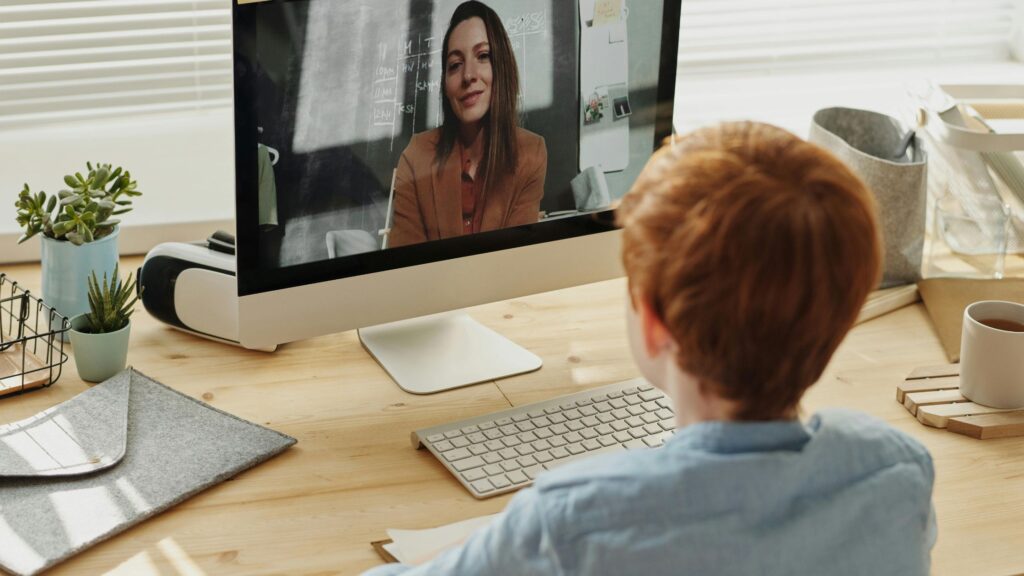
School-based teletherapy has grown rapidly in recent years. This new approach brings mental health services directly to students through online platforms.
Policy and Legislation
Laws and policies have changed to support teletherapy in schools. The CARES Act of 2020 gave schools more flexibility to use federal funds for telehealth. Many states have updated their rules to allow licensed therapists to practice across state lines.
These changes make it easier for schools to offer teletherapy. You can now find online therapy programs in districts across the U.S. School counselors and psychologists can meet with students virtually from their offices or homes.
Demand for Accessible Mental Health Services
More students need mental health support than ever before. But many schools struggle to hire enough on-site therapists. Teletherapy helps fill this gap. With online therapy, you can get help even if you live far from mental health providers. It’s also useful for students with mobility issues or busy schedules. Many kids feel more comfortable talking to a therapist online than in person.
Schools like teletherapy because it’s often cheaper than in-person services. They can serve more students without needing extra office space. It’s a win-win for both schools and families.
Models of School-Based Teletherapy Services
School-based teletherapy offers different ways to support students‘ mental health needs. These models help schools reach more students and provide care where it’s needed most.
Direct Student Services
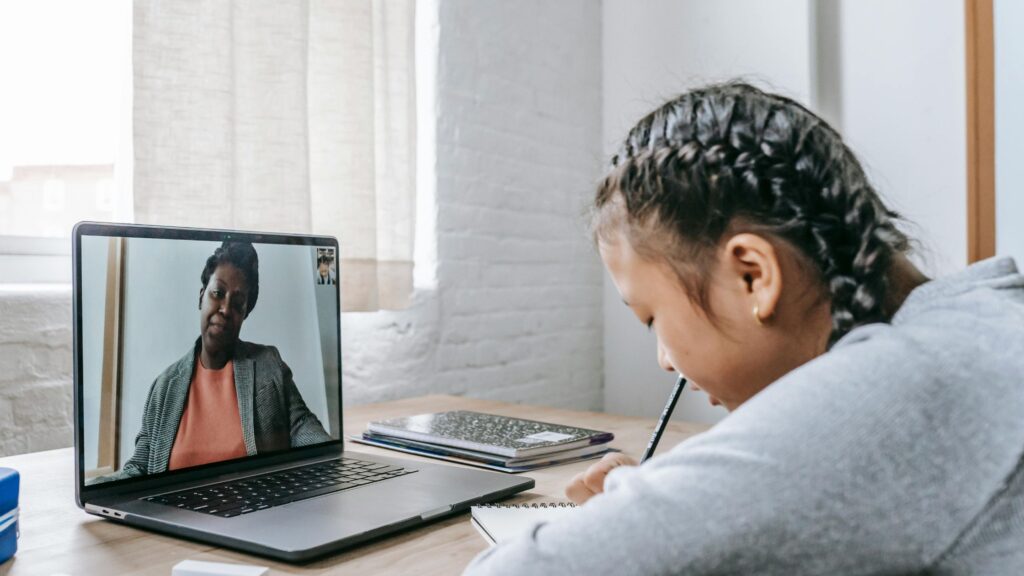
You can access one-on-one therapy sessions with a licensed therapist through video calls. These sessions happen during school hours in a private space on campus. Your therapist will work with you on specific goals, just like in-person therapy. They might use tools like digital whiteboards or interactive games to make sessions engaging.
Group therapy is another option. You can join small groups of students with similar needs, led by a therapist online.
Consultation Services for Educators
Teachers and staff can get expert advice from mental health professionals. This helps them better support students’ emotional needs in the classroom.
Consultations might cover:
- Strategies for managing challenging behaviors
- Tips for creating a trauma-informed classroom
- Ways to spot early signs of mental health issues
These sessions can be quick check-ins or longer training workshops, all done through video calls.
Collaborative Approaches
This model brings together students, families, teachers, and therapists. Everyone works as a team to support your mental health and school success.
You might have:
- Online meetings with your therapist and teacher to discuss academic goals
- Family therapy sessions that include your parents and siblings
- Group sessions where you learn coping skills with classmates
This approach makes sure everyone is on the same page and working together to help you thrive.
Key Benefits of School-Based Teletherapy
School-based teletherapy offers many advantages for students, staff, and families. It makes mental health support more available and effective in educational settings.
Removing Access Barriers in Schools
Teletherapy helps more students get the care they need. You don’t have to travel to appointments. This saves time and money. It’s easier for students in rural areas to see specialists. Kids can meet with therapists during the school day. Language barriers are less of an issue. Translators can join video calls. Teletherapy also reduces stigma. Students can have private sessions without others knowing.
Enhancing Student Engagement through Teletherapy
Online therapy tools grab students’ attention. Interactive games and exercises make sessions fun. Kids often feel more comfortable opening up through a screen. You can record sessions to review later. This helps students practice skills between appointments. Therapists can easily share resources with students and families. Visual aids and screen sharing make lessons clearer.
Supporting a Continuum of Care
Teletherapy allows for more frequent check-ins. You can have shorter, more regular sessions. This helps catch issues early. It’s easier to include parents and teachers in care plans. Therapists can observe students in class via video. This gives a fuller picture of their needs. Online platforms make it simple to track progress over time. Students can message therapists for quick support between sessions.
Teletherapy also makes group therapy more doable. You can bring students together from different schools or grades.
Overcoming Challenges in School-Based Teletherapy
School-based teletherapy faces several hurdles as it grows in popularity. Key issues include protecting student privacy, ensuring equal access, and maintaining high-quality care.
Ensuring Confidentiality and Privacy
Keeping student information safe is crucial in teletherapy. Schools must use secure platforms and train staff on privacy practices. You need to find quiet, private spaces for sessions to prevent others from overhearing. Therapists should remind students not to share session details with others. Schools may need to update consent forms to cover online therapy. It’s important to have a plan for emergencies during remote sessions.
Storing and transmitting therapy records safely is another challenge. Schools must follow laws like FERPA and HIPAA to protect student data.
Addressing the Digital Divide
Not all students have equal access to technology. Some lack reliable internet or devices for teletherapy. This can make it hard for certain kids to get the help they need. Schools can lend laptops or tablets to students who need them. Some districts set up Wi-Fi hotspots in communities. You might partner with local libraries or community centers to provide internet access.
It’s also key to make sure students know how to use the technology. Offering tech support and training can help bridge this gap.
Maintaining Quality Standards
Keeping therapy effective online takes effort. Therapists need special training for virtual sessions. They must learn to pick up on non-verbal cues through a screen. Schools should set clear guidelines for online therapy. This includes rules for scheduling, session length, and follow-ups. Regular check-ins with students and parents can help track progress.
Finding ways to engage students remotely is important. Therapists might use interactive tools or games to keep sessions fun and productive. You should also have a backup plan for tech issues to avoid disrupting care.
How Schools Can Implement Teletherapy Successfully
Putting school-based teletherapy into action requires careful planning and execution. Key areas to focus on include setting up the right technology, getting everyone on board, and tracking progress.
Infrastructure and Training
Start by assessing your school’s internet capabilities. You’ll need reliable, high-speed connections to support video calls. Choose user-friendly platforms that meet privacy standards. Set up dedicated spaces for teletherapy sessions. These should be quiet, private areas where students can talk freely.
Train staff on using the teletherapy tools. This includes teachers, counselors, and IT support. Offer hands-on practice sessions to build confidence. Create guides for students and families on accessing teletherapy services. Include step-by-step instructions with screenshots.
Stakeholder Engagement
Get buy-in from school leaders, teachers, and parents. Explain how teletherapy can help students and ease workloads. Hold info sessions for families. Address concerns about privacy and effectiveness. Highlight the benefits of easier access to mental health support.
Work with teachers to identify students who might benefit from teletherapy. Set up referral processes that are simple to use. Partner with local mental health providers. They can offer expertise and possibly expand your service options.
Monitoring and Evaluation
Set clear goals for your teletherapy program. This might include number of students served or improvement in specific mental health measures. Use surveys to gather feedback from students, families, and staff. Ask about ease of use, helpfulness of sessions, and areas for improvement.
Track attendance and engagement in teletherapy sessions. Look for patterns that might show when students need extra support. Review data regularly to adjust your approach. Be ready to make changes based on what you learn. This might mean tweaking schedules or adding new services.
Case Studies and Success Stories
Many schools have seen great results from using teletherapy. One example is the Florida High School for Exceptional Children (FHSEC). They tried teletherapy again in 2018-2019 with a company called eLuma. The school’s staff found it much better than before. eLuma offered:
- Per-student billing
- Staff who communicated well
- Skilled therapists who won over doubtful parents
Students made big strides with teletherapy. They faced their challenges and grew a lot. This shows how online therapy can really help kids in special education. Other schools across the U.S. have similar stories. Students get mental health care right where they are – at school. This has boosted both their wellbeing and their grades.
You can see the impact in numbers too. Hazel, a top teletherapy company, now works with half of the 20 biggest school systems in the country. More and more students can now get the support they need. These success stories prove that school-based teletherapy works. It helps fill gaps in care and gives students the tools to thrive.
The Future of School-Based Teletherapy
School-based teletherapy is set to transform in exciting ways. New technologies and approaches will shape how students get mental health support. Schools will also blend therapy more closely with learning goals.
Innovations in Teletherapy
Virtual reality (VR) therapy shows promise for treating anxiety and phobias in students. You may soon see kids using VR headsets to practice coping skills in safe, simulated environments. AI chatbots could provide 24/7 support for minor issues. This may free up therapists to focus on more complex cases.
Wearable devices may track mood and stress levels. This data could help therapists spot problems early. Group teletherapy sessions may become more common. This allows kids to connect with peers facing similar challenges.
Integration with Broader Educational Goals
Schools may build teletherapy into the regular school day. This could mean short check-ins between classes or during study hall. Therapists and teachers may team up more. They could create lessons that boost both mental health and academic skills.
You may see more focus on building “soft skills” through therapy. These include teamwork, communication, and emotional control. Teletherapy could expand to help with career planning. It may guide students in setting goals and managing stress about the future.
Conclusion
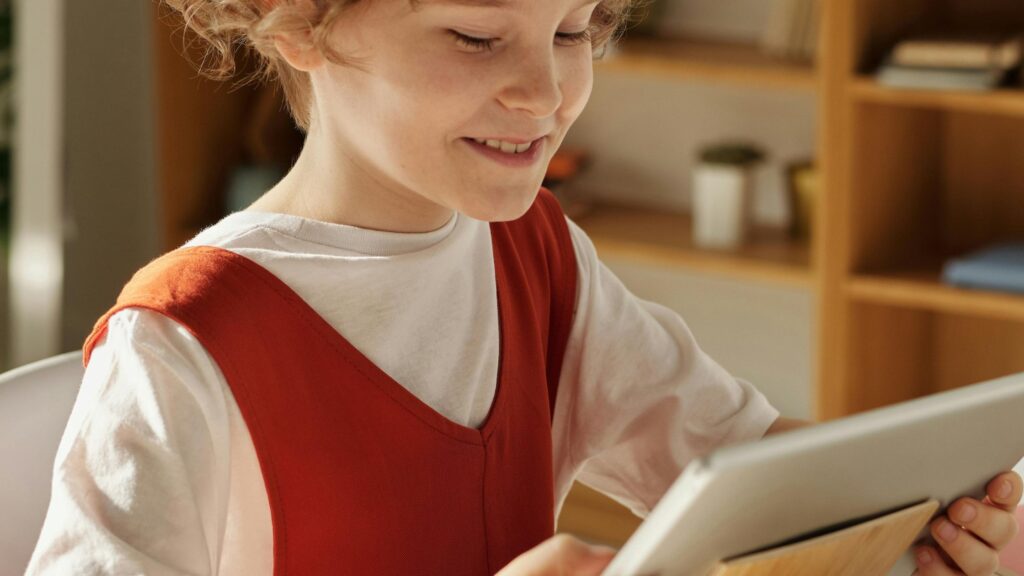
School-based teletherapy is changing mental health care for students. It brings help right to where kids spend their days. You can now get support without leaving school. This new approach makes therapy more accessible. It removes barriers like transportation and scheduling conflicts. Kids can connect with therapists through computers or tablets.
Many schools are adding these services. They see the benefits for student well-being. Teletherapy fits easily into the school day. The future looks bright for school-based teletherapy. As technology improves, so will the quality of care. More students will get the help they need to thrive.
Remember, your school might offer these services. Ask about teletherapy options if you need support. It’s a great way to take care of your mental health.
Frequently Asked Questions
School-based teletherapy has changed how students get mental health care. It offers many benefits and follows best practices to help kids. Let’s explore some key questions about this important service.
What are the proven benefits of teletherapy in educational settings?
Teletherapy makes it easier for students to get help. You can talk to a therapist from school or home. This means more kids can get the support they need. It also saves time. You don’t have to travel to appointments. This leaves more time for learning and other activities.
How do best practices in telehealth affect the quality of school-based services?
Using video calls and secure apps keeps your info private. Therapists are trained to give good care online. They make sure you can see and hear them clearly. They also use special tools to keep you engaged. This helps make your therapy sessions effective and fun.
What guidelines are in place to ensure the efficacy of teletherapy for students?
Rules make sure teletherapy works well. Therapists must be licensed and follow ethics codes. They use safe tech to protect your privacy. Schools check that the therapy is helping. They look at how students are doing in class and at home.
How does teletherapy in schools enhance mental health services for children?
Teletherapy gives you more choices. You can get help even if there’s no therapist nearby. It’s often easier to fit into your school day. Some kids feel more comfortable talking online. This can help them open up and get better faster.
What are the key differences in teletherapy delivery between urban and rural schools?
Urban schools might have faster internet. This can make video calls clearer. Rural schools may use special tech to boost their connection. Rural areas often have fewer therapists nearby. Teletherapy helps bring more experts to these schools.
What are the historical milestones in the development of school-based teletherapy?
Teletherapy in schools started growing about 10 years ago. At first, only a few schools tried it. Now it’s much more common. The COVID-19 pandemic made teletherapy even more popular. Many schools now see it as a key part of student support.