How Teletherapy Can Improve Special Education Outcomes In Schools: Enhancing Access and Effectiveness
Schools face big challenges in special education. Many students need extra help, but there aren’t always enough teachers or resources. Teletherapy offers a new way to solve this problem. Teletherapy can improve special education outcomes by connecting students with experts from anywhere. You can use video calls to give kids the support they need, even […]
Rethinking Autism Conversations

In the past few decades, the “autism awareness” movement has worked diligently to bring autism into the public consciousness. While well-intentioned, this approach often painted autism as a condition to be cured or fixed, rather than understood and embraced. Recently, we’ve seen a shift toward promoting “autism acceptance,” a movement that seeks to celebrate neurodiversity […]
Reducing Caseload Burdens with Teletherapy and Assessment in Schools: Streamlining Mental Health Support
Schools today face growing caseloads that strain resources and staff. Teletherapy and remote assessments offer a practical solution to this challenge. These approaches use technology to provide mental health support and evaluate students from a distance. Teletherapy and tele-assessment can reduce the workload for school staff while still meeting student needs. You can use video […]
Nurturing Neurodiversity (A Guide for Parents and Educators)

In today’s society, understanding and embracing differences is more important than ever. One of the areas where this is most crucial is in acknowledging and supporting neurodivergent individuals—those who think and learn differently due to conditions like ADHD, Autism, and Dyslexia. This guide aims to provide insights for parents, educators, and mental health professionals on […]
50 Ways to Melt the Winter Slump and Keep Your Students Engaged: Proven Strategies for Classroom Motivation
Winter can be a tough time for teachers and students alike. The cold weather, short days, and post-holiday blues can make it hard to stay focused in the classroom. But don’t worry – there are lots of ways to keep your students engaged and excited about learning during the winter months. Try these 50 fun […]
How to Boost Communication Skills
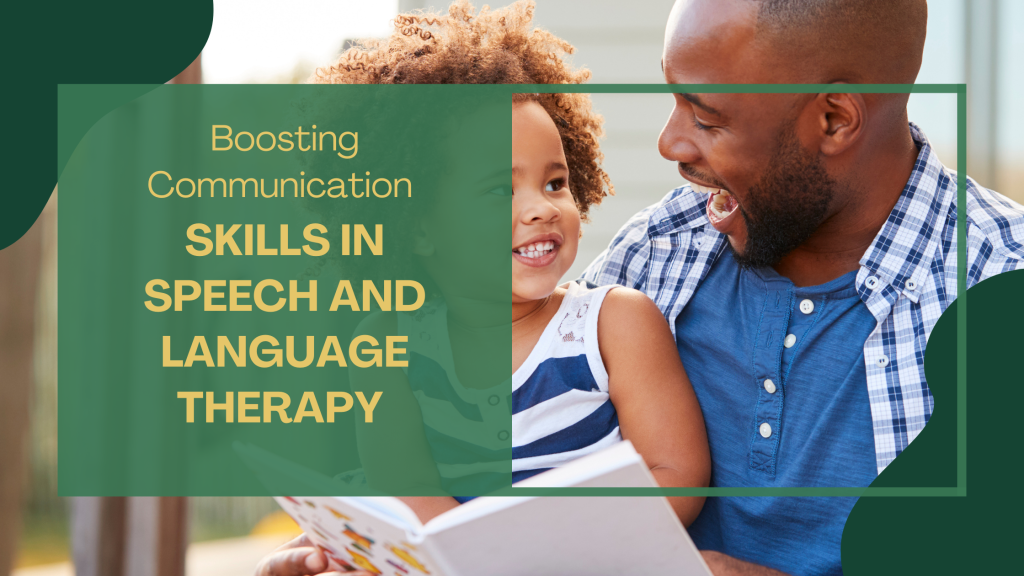
Speech and Language Therapy Effective communication lies at the heart of every successful speech and language therapy session. Whether it’s helping a child articulate their first clear sentence or assisting an adult in regaining conversational skills after a stroke, the ability to communicate better transforms lives. We’re providing practical insights for speech therapists, language pathologists, […]
The Benefits of Teletherapy and Teleservices for Schools: Enhancing Student Support in the Digital Age
Teletherapy and teleservices are transforming how schools support students’ mental health and learning needs. These digital solutions connect students with therapists and specialists through computers, tablets, or other internet-connected devices. Teletherapy in schools increases access to vital services, offers flexible scheduling, and removes geographic barriers. You may wonder how teletherapy works in a school setting. […]
How to Support Students with ADHD Remotely with Teletherapy: Effective Strategies for Online Learning Success
Students with ADHD face unique challenges when learning remotely. The lack of structure and in-person support can make it hard to stay focused and organized. But there’s good news – teletherapy offers a way to provide essential support even from a distance. Teletherapy connects students with specialists who can help them develop coping strategies and […]
How to Create SMART Goals for Effective IEPs: A Step-by-Step Guide for Educators
Creating SMART goals is key to developing effective Individualized Education Programs (IEPs) for students with disabilities. SMART stands for Specific, Measurable, Achievable, Relevant, and Time-bound. These goals help focus on the skills students need to learn and track their progress. To write SMART IEP goals, start by identifying the student’s needs and prioritizing the most […]
The Complete Guide to Facilitating Teletherapy and Tele-Assessment in Schools: Implementing Digital Mental Health Services in Education
Teletherapy and tele-assessment are changing how schools support students. These remote services offer new ways to help kids learn and grow. You can use them to reach more students and provide better care. Schools that use teletherapy and tele-assessment can meet student needs more easily. These tools let experts work with kids from anywhere. This […]